
Upholstered padded wall panels are an innovative way to combine style, comfort, and functionality in interior spaces. These panels not only enhance the aesthetic appeal of rooms but also provide practical benefits such as sound insulation and added warmth. In modern homes and offices in Dubai, padded wall panels are increasingly popular due to their versatility and ability to transform both residential and commercial spaces.
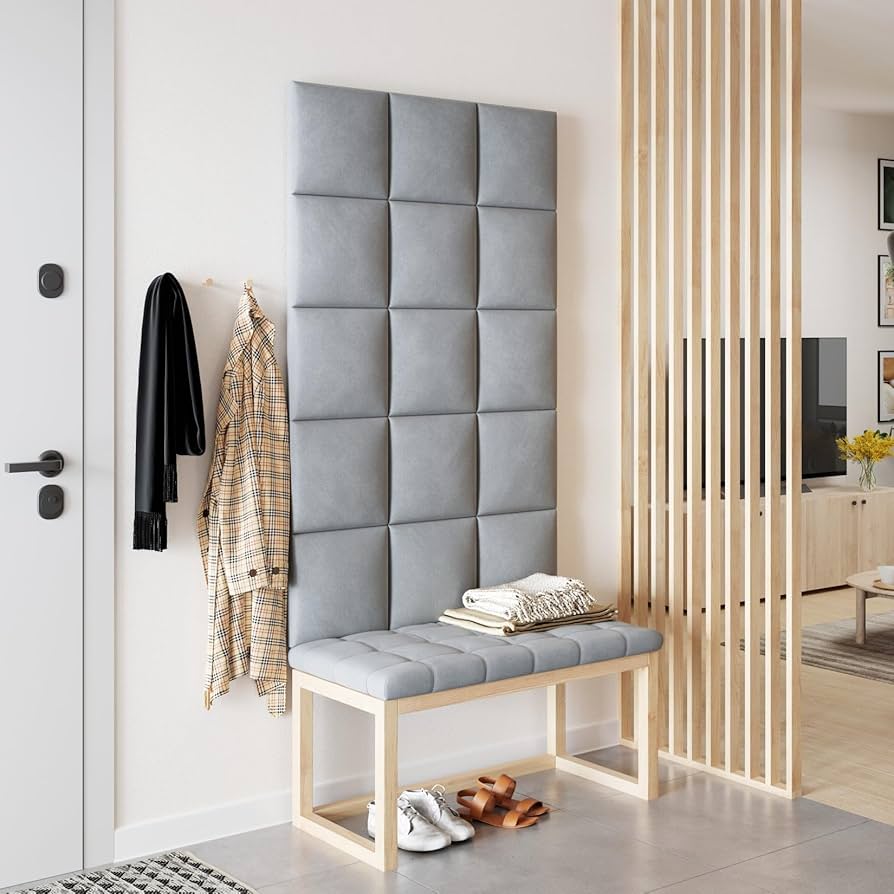
Choosing the right wall panel involves understanding materials, design options, and installation methods. From luxurious fabrics to practical maintenance tips, this guide provides a comprehensive overview to help homeowners and designers make informed decisions. Whether you aim to improve a bedroom, living area, or office environment, knowing how to select, maintain, and install these panels is essential for achieving a high-quality result.
This article explores the benefits of padded wall panels, material options, design considerations, maintenance tips, and expert insights from renovation and interior design professionals in Dubai. By the end, you will have a complete understanding of how these panels can elevate your space aesthetically and functionally.
Benefits of installing upholstered padded wall panels in residential spaces
Upholstered padded wall panels offer numerous advantages in homes, combining functionality with style. Key benefits include:
- Enhanced aesthetics: These panels create a luxurious and sophisticated look that instantly elevates a room’s design.
- Sound absorption: The padding helps reduce echo and noise, making them ideal for bedrooms, home theaters, and study areas.
- Thermal insulation: Padded panels provide extra insulation, keeping rooms warmer in winter and cooler in summer.
- Comfort: Panels add a soft, tactile surface that enhances comfort, especially behind beds or seating areas.
- Flexibility: Available in various fabrics, colors, and textures, panels can match any design theme.
Homeowners working with upholstered padded wall panels suppliers can select from a wide range of materials, ensuring a perfect balance of comfort, style, and functionality.
How padded wall panels enhance interior design and acoustics
Beyond visual appeal, padded wall panels serve important practical functions:
- Acoustic benefits: The soft padding absorbs sound waves, reducing echo and noise pollution in busy homes or offices.
- Visual texture: Panels introduce depth and dimension, breaking the monotony of plain walls.
- Focal points: Large padded panels can act as statement walls behind beds, sofas, or conference room seating.
- Complementary décor: They harmonize with furniture, rugs, and lighting, creating a cohesive design.
By combining aesthetic and acoustic benefits, these panels improve both the comfort and functionality of interiors. Professional advice from expert home renovation and interior design services in Dubai ensures panels are placed strategically for maximum effect.
Different materials and fabrics used for wall paneling
Upholstered wall panels come in various materials to suit both design preferences and functional needs:
- Velvet: Adds a plush, luxurious texture ideal for bedrooms and living rooms.
- Leather and faux leather: Durable, easy to clean, and perfect for high-traffic areas.
- Linen and cotton blends: Natural fabrics that are breathable and versatile in style.
- Polyester and synthetic fabrics: Resistant to stains and wear, suitable for family spaces.
- Foam or batting: Provides cushioning and improves sound absorption.
Choosing the right combination of fabric and padding depends on the room’s function and design vision. Additionally, professionals specializing in chair upholstery Dubai can help match wall panels with upholstered furniture for a unified interior aesthetic.
Step-by-step guide to planning a wall panel renovation project
Implementing a wall panel project requires careful planning and execution. Follow these steps for successful results:
- Assess room needs: Determine which walls require panels and the desired acoustic and visual impact.
- Measure accurately: Take precise measurements of the wall areas to ensure panels fit perfectly.
- Choose materials: Select fabrics, padding, and panel thickness based on function and aesthetics.
- Design layout: Decide on panel sizes, patterns, and placement for a balanced look.
- Hire professionals: Engage trained installers to ensure proper alignment, secure mounting, and seamless finishes.
- Finishing touches: Add trims, frames, or decorative accents to enhance the overall appearance.
A well-planned project ensures that padded wall panels are both functional and visually appealing, transforming ordinary walls into design features.
How to maintain and clean upholstered wall panels
Maintenance is essential to preserve the appearance and longevity of padded wall panels. Consider the following tips:
- Regular dusting: Use a soft brush or vacuum attachment to remove dust and prevent buildup.
- Spot cleaning: Address spills and stains immediately using fabric-appropriate cleaners.
- Avoid moisture: Keep panels dry to prevent mold and fabric damage.
- Professional cleaning: Schedule periodic deep cleaning for heavily used spaces or delicate fabrics.
- Sunlight protection: Minimize direct exposure to sunlight to prevent fading over time.
Proper maintenance ensures your panels remain vibrant, functional, and durable for many years, while services like furniture painting services may offer complementary advice for overall interior upkeep.
Choosing the right colors and patterns for padded wall panels
Color and pattern selection is crucial for harmonizing panels with the room’s design:
- Neutral tones: Ideal for minimalistic or modern interiors; provide flexibility with furniture choices.
- Bold hues: Create focal points and add vibrancy to living rooms or entertainment areas.
- Textured patterns: Enhance depth and visual interest while hiding minor wear.
- Monochromatic schemes: Maintain cohesion and elegance, particularly in professional or serene spaces.
By carefully selecting colors and patterns, homeowners can create a balanced, stylish environment that complements both furniture and décor elements.
Expert tips from home renovation and interior design services in Dubai
Professionals in Dubai offer valuable insights for optimal wall panel installation:
- Strategic placement: Panels are most effective on walls that require acoustic control or visual enhancement.
- Custom sizing: Tailored panels fit uniquely shaped walls better than pre-made options.
- Material pairing: Combine fabrics with other elements like rugs, curtains, and furniture for a cohesive look.
- Durability focus: Opt for fabrics that withstand daily wear, particularly in high-traffic areas.
- Design flexibility: Modular panels allow easy updates without full renovation.
Consulting experts ensures that wall panels are installed efficiently and provide maximum benefits. Collaborative guidance from kitchen cabinet repair services teams can further integrate panels into overall room functionality during renovations.
Comparing custom versus pre-made wall panel options
When choosing panels, you can opt for pre-made solutions or custom designs:
- Pre-made panels: Convenient, available in standard sizes, and generally quicker to install. Suitable for typical room layouts.
- Custom panels: Tailored to specific dimensions, patterns, and fabric choices. Ideal for unique spaces or bespoke designs.
- Cost and time considerations: Custom panels may require longer lead times and careful planning but offer greater flexibility.
- Installation requirements: Both options require proper mounting, but custom panels often need professional precision for seamless results.
By evaluating these options, you can select panels that best fit your aesthetic preferences, room dimensions, and functional requirements.
How padded wall panels improve comfort and insulation
Beyond aesthetics, padded wall panels contribute to comfort in multiple ways:
- Soft surfaces: Panels provide cushioned surfaces that prevent hard wall contact, enhancing comfort in bedrooms and seating areas.
- Noise reduction: Thick padding absorbs ambient noise, creating quieter, more relaxing environments.
- Thermal insulation: The added layer helps regulate room temperature, offering a cozy atmosphere during cooler months.
- Enhanced ergonomics: Panels behind beds or seating areas support posture and reduce strain when leaning against walls.
Integrating panels thoughtfully improves both the physical comfort and environmental quality of interior spaces.
Conclusion
Upholstered padded wall panels are a versatile addition to any interior, offering a combination of style, comfort, and practical functionality. From enhancing room aesthetics to improving acoustics and thermal insulation, these panels serve multiple purposes in residential and commercial settings. Selecting the right materials, colors, and installation methods ensures panels meet both visual and functional needs. Consulting experts and maintaining panels properly further extends their lifespan, making them a lasting and valuable feature in modern interior design.
Whether you choose custom or pre-made panels, integrating them with furniture, fabrics, and décor results in cohesive, inviting, and stylish spaces. Padded wall panels transform ordinary walls into dynamic, functional elements that enrich the overall living or working experience.
FAQs
- What are the main advantages of padded wall panels?
Padded wall panels enhance aesthetics, absorb sound, provide insulation, and add comfort to interiors, making them ideal for bedrooms, living areas, and offices. - How do wall panels affect room acoustics?
The padding absorbs sound waves, reducing echoes and ambient noise, which improves acoustics for home theaters, offices, or study rooms. - Are padded wall panels suitable for all types of rooms?
Yes, they are versatile and can be installed in bedrooms, living rooms, offices, or entertainment spaces, though fabric choice may vary based on usage and durability. - What fabrics are best for wall panel upholstery?
Velvet, leather, faux leather, linen, cotton blends, and synthetic fabrics are commonly used depending on desired aesthetics, durability, and maintenance. - How long do upholstered wall panels typically last?
With proper care, maintenance, and high-quality materials, panels can last 10–15 years or more, maintaining both comfort and appearance. - Can panels be customized for unique wall shapes?
Yes, custom panels can be tailored to fit irregular wall dimensions, patterns, and room designs, ensuring seamless integration. - How should I maintain padded wall panels?
Regular dusting, spot cleaning, avoiding moisture, professional deep cleaning, and sunlight protection will help preserve panels’ appearance and functionality. - Should panels match the furniture in the room?
While not mandatory, matching or complementing panels with furniture fabrics and colors creates a cohesive and harmonious design. - Are there eco-friendly options for wall panel fabrics?
Yes, many suppliers offer sustainable fabrics such as organic cotton, recycled polyester, or low-impact dyed materials.
10. Can wall panels improve energy efficiency in a room?
Yes, the additional padding provides thermal insulation, helping regulate indoor temperatures and enhancing energy efficiency.