
Choosing the right recliner chair for your room involves more than selecting a comfortable seat. It requires an understanding of ergonomics, space management, material durability, and interior design aesthetics. A properly chosen recliner enhances comfort, supports healthy posture, and complements your room’s style. With the variety of reclining mechanisms, upholstery materials, and multifunctional designs available today, making an informed decision ensures that your chair not only fits your needs but also enhances your living space for years to come.
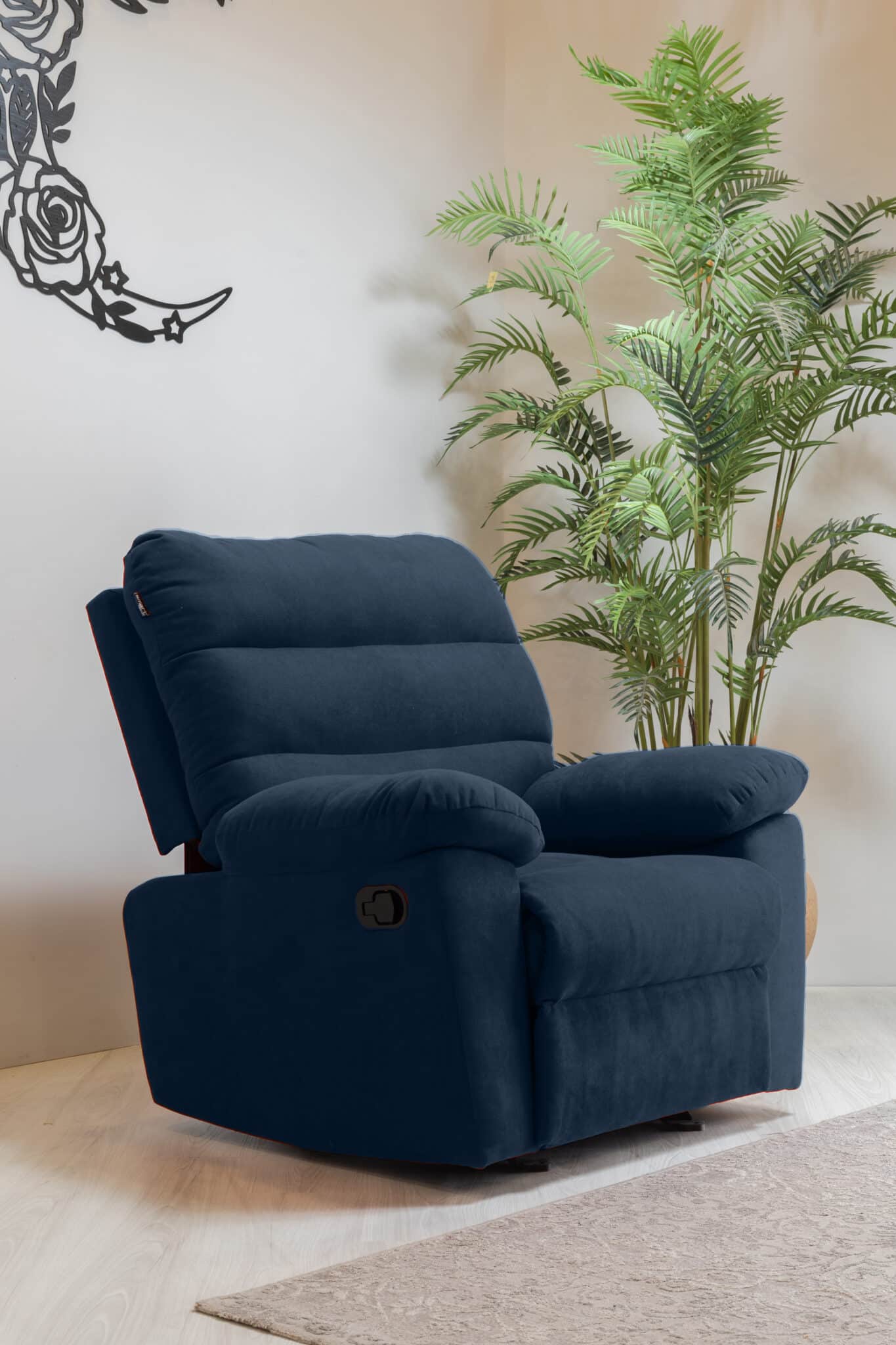
Modern homes often face space constraints, particularly in urban apartments where every square foot matters. A well-designed recliner can provide both relaxation and functional seating while maintaining a cohesive and visually appealing layout. Homeowners must consider not only comfort but also room size, layout, and furniture integration to make the best choice.
This article will guide you through the essential considerations when selecting a recliner chair, focusing on ergonomics, mechanisms, materials, room compatibility, and design. By following these insights, you can choose a recliner that balances comfort, durability, and style.
Important Ergonomic Considerations When Selecting Reclining Seating for Comfort and Back Support
Ergonomics is the cornerstone of a comfortable recliner. Choosing a chair with proper support ensures that your body is aligned, reduces strain, and promotes healthy posture. Key ergonomic factors include:
- Lumbar support: Chairs with built-in lumbar support maintain the natural curve of your lower back, preventing slouching and discomfort.
- Head and neck support: Adjustable headrests or contoured designs prevent neck stiffness during long periods of sitting.
- Seat dimensions: A seat that is appropriately deep and wide distributes body weight evenly, reducing pressure points.
- Recline angles: Adjustable recline positions allow for a personalized seating experience, whether for reading, watching TV, or napping.
These features not only improve comfort but also prevent long-term back or joint issues, making ergonomics a vital consideration for daily use.
Understanding Different Reclining Mechanisms and How They Affect Seating Experience
Recliner chairs come with various mechanisms that determine how they adjust and support the user:
- Manual recliners: Operated via levers or handles, these allow you to control the recline angle manually. They are reliable, easy to maintain, and cost-effective.
- Power recliners: Equipped with electric motors, these chairs offer smooth adjustment at the touch of a button, making them ideal for individuals with mobility challenges.
- Wall-hugger designs: Designed to require minimal space between the wall and the chair, these recliners are perfect for compact apartments.
Choosing the right mechanism affects usability, comfort, and room layout. A recliner chair with multiple reclining options can enhance your relaxation experience by providing versatile positioning for different activities and comfort levels.
How Room Size and Furniture Arrangement Influence the Type of Reclining Seating You Choose
The size of your room and the existing furniture layout play a crucial role in selecting the right recliner:
- Space availability: Ensure there is enough clearance for the chair to fully recline without obstructing pathways.
- Integration with existing furniture: Consider how the recliner complements sofas, tables, and other seating arrangements.
- Lighting and focal points: Place the chair where natural or artificial light enhances comfort, such as near a window or reading lamp.
- Traffic flow: Maintain unobstructed pathways for easy movement and accessibility.
By evaluating these factors, you can select a recliner that fits seamlessly into your room while optimizing comfort and function. In smaller spaces, a temporary partition wall dubai can help define a dedicated relaxation zone without reducing openness.
Key Materials Used in Modern Lounge Seating and How They Impact Durability and Style
The materials used in recliners influence comfort, durability, and aesthetic appeal. Key considerations include:
- Frame materials: Hardwood and metal frames offer longevity and structural support. A solid frame ensures stability and prevents sagging over time.
- Padding and cushioning: High-density foam provides firm support, while memory foam contours to the body for added comfort.
- Upholstery: Leather, fabric, and synthetic blends each offer unique benefits. Leather is durable and elegant, fabric is soft and breathable, and synthetic blends are practical and stain-resistant.
For a stylish and functional seating area, pairing your recliner with a leather sofa dubai can create a cohesive and luxurious look, blending comfort with elegance.
How Multifunctional Furniture Improves Comfort in Compact Apartments and Shared Rooms
In modern living spaces, furniture must often serve multiple functions. Multifunctional recliners can maximize utility without sacrificing comfort:
- Storage integration: Chairs with hidden compartments or side pockets provide convenient storage.
- Convertible designs: Recliners that fold into a bed or incorporate extendable footrests save space while offering flexibility.
- Modular options: Some recliners can be combined with sofas or sectional seating for adaptable layouts.
Multifunctional furniture allows residents in smaller apartments or shared rooms to enjoy comfort while maintaining a tidy and organized living space.
Interior Design Ideas for Integrating Reclining Chairs into Contemporary Living Spaces
Recliners can enhance both the function and aesthetics of contemporary living spaces:
- Minimalist approach: Choose neutral colors and clean lines to complement modern décor.
- Accent piece: Bold colors or textures can make the recliner a visual focal point in the room.
- Complementary furniture: Arrange recliners alongside modular sofas, coffee tables, and ottomans to create a cohesive seating area.
Using a bunk bed dubai in a shared or multi-purpose room alongside a recliner can optimize vertical space while maintaining comfort and style.
Comparing Single Recliners With Other Relaxation Seating for Comfort and Flexibility
When choosing seating for relaxation, it’s important to compare single recliners with other options:
- Single recliners: Offer personalized comfort, adjustability, and targeted support. Ideal for reading, watching TV, or napping.
- Sectional sofas: Provide multiple seating options but may lack individual ergonomic support.
- Rocking chairs: Offer gentle motion for relaxation but generally lack the support and adjustability of a recliner.
Selecting a single recliner allows for a dedicated personal space with ergonomic benefits tailored to individual needs. A rocking chair can complement a recliner in shared living areas, offering variety in relaxation options.
How Seating Style and Upholstery Materials Contribute to Overall Room Aesthetics
The visual appeal of your recliner impacts the overall style of your room:
- Color coordination: Matching or contrasting upholstery with walls, rugs, and other furniture creates balance and harmony.
- Texture and finish: Leather offers a sleek and modern look, fabric adds warmth and softness, and synthetic blends provide a versatile middle ground.
- Proportions: The size and shape of the recliner should complement the room’s dimensions, avoiding visual overcrowding or imbalance.
By carefully selecting style and materials, a recliner can seamlessly enhance your interior design while providing comfort and functionality. Consultation with a furniture fabric suppliers in dubai expert can ensure that your upholstery choice aligns with durability, color scheme, and room aesthetics.
Conclusion
Choosing the right recliner chair involves a blend of ergonomics, material selection, room compatibility, and style. From adjustable reclining mechanisms to high-quality upholstery and thoughtful placement within the room, every factor contributes to comfort, durability, and visual appeal. In compact apartments, multifunctional designs and strategic layouts further enhance the utility of recliners, creating personalized relaxation zones. By considering these elements and integrating expert advice, homeowners can enjoy a seating solution that supports their posture, enhances room aesthetics, and provides daily comfort for years to come.
FAQs
How do reclining chairs support better relaxation compared to regular chairs?
Recliners provide adjustable backrests, footrests, and lumbar support, which allow users to find the most comfortable position, reducing strain and improving circulation compared to fixed chairs.
What types of reclining mechanisms are most commonly used today?
Manual lever, power motorized, and wall-hugger designs are most common. Each offers different levels of adjustability and space efficiency, catering to various needs and room sizes.
How much space is typically needed for a reclining chair to function properly?
Space requirements vary by design. Wall-hugger recliners need minimal clearance, while traditional recliners may require 3–5 feet of space behind the chair for full extension.
What upholstery materials are most durable for reclining seating?
Leather and high-quality synthetic fabrics are highly durable and easy to maintain. Fabrics vary in softness, breathability, and cleaning requirements, while leather offers longevity and a luxurious feel.
How can reclining seating complement modern interior design styles?
By matching color schemes, textures, and proportions, recliners can enhance aesthetics, create focal points, or blend with other furniture. Strategic placement also ensures functionality and room flow.
Additional tip: Combining a recliner with other seating options like a majlis sofa can create cohesive, stylish, and versatile living spaces.