
Sofas are among the most frequently used pieces of furniture in any home. They provide comfort, support relaxation, and often serve as the central feature of living spaces. Over time, however, sofas naturally experience wear from continuous use, environmental exposure, and accidental damage. Understanding how sofas deteriorate and how repairs can extend their lifespan helps homeowners preserve comfort while maintaining interior appearance.
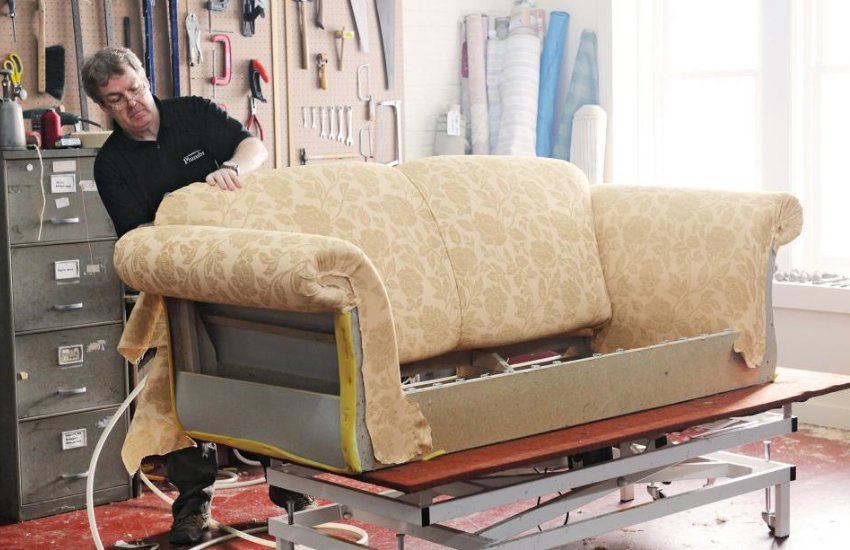
Proper maintenance, early repairs, and informed material choices all contribute to keeping sofas functional and visually appealing for many years.
Common sofa damage problems caused by everyday household use and neglect
Daily use places continuous pressure on sofa frames, cushions, springs, and upholstery fabrics. Gradual wear becomes inevitable when maintenance is inconsistent.
Common sofa issues include:
- Sagging cushions
- Torn upholstery
- Loose armrests
- Broken springs
- Cracked wooden frames
- Fabric fading from sunlight exposure
Neglecting small problems often allows them to worsen over time. For example, loose joints may eventually create major structural instability if not repaired early.
Many homeowners searching for sofa repair near me solutions begin investigating repairs only after noticeable comfort loss develops.
How frame stability affects overall comfort and furniture durability at home
The frame forms the foundation of any sofa. Even high-quality upholstery cannot compensate for a weak or damaged frame.
Common frame materials include:
- Solid hardwood
- Engineered wood
- Metal reinforcement systems
Frame stability affects:
- Weight distribution
- Cushion support
- Sitting comfort
- Long-term durability
Loose or cracked frames often produce creaking sounds, uneven seating, or visible leaning. Addressing frame problems early can prevent additional damage to upholstery and internal padding.
Stable frames significantly extend sofa usability.
Signs that indicate sofa cushions require professional repair or replacement
Cushions gradually lose their original shape through repeated compression. Over time, the internal foam or filling materials become less supportive.
Warning signs include:
- Permanent sagging
- Uneven seating surfaces
- Reduced comfort
- Visible lumps or indentations
- Difficulty regaining original shape
Professional cushion repair may involve replacing foam, reinforcing support layers, or adjusting internal padding structures.
Proper cushion density plays an important role in maintaining ergonomic comfort.
Upholstery maintenance habits that help preserve sofas for many years
Consistent upholstery care helps prevent premature deterioration while preserving appearance and hygiene.
Helpful maintenance practices include:
- Vacuuming regularly to remove dust
- Rotating cushions frequently
- Cleaning spills immediately
- Using gentle fabric-safe cleaners
- Avoiding prolonged sunlight exposure
Different upholstery materials require different care methods. Delicate fabrics may require softer cleaning techniques compared to synthetic blends.
Households researching office carpentry workspace improvements often apply similar maintenance principles to upholstered office seating as well.
The importance of choosing suitable fabric materials for busy living rooms
Fabric selection strongly influences durability, comfort, and maintenance requirements.
Durable upholstery materials include:
- Microfiber
- Polyester blends
- Leather
- Performance fabrics
- Tightly woven textiles
Families with children or pets often prioritize stain-resistant materials that tolerate frequent cleaning.
Texture also matters. Softer fabrics may feel more comfortable but can sometimes show wear faster in high-traffic areas.
Selecting suitable materials helps reduce future repair frequency.
Mistakes people make when attempting DIY sofa repairs without experience
DIY repairs may appear cost-effective initially, but incorrect techniques can create additional problems.
Common DIY mistakes include:
- Using unsuitable adhesives
- Incorrect stitching methods
- Over-tightening upholstery fabric
- Ignoring internal frame issues
- Replacing foam with improper density materials
Inexperienced repairs sometimes compromise structural integrity or reduce comfort significantly.
Complex repairs involving springs, frames, or large upholstery sections generally require specialized tools and techniques.
How regular cleaning can prevent permanent upholstery discoloration issues
Dust, oils, and spills gradually accumulate within upholstery fibers. Without proper cleaning, these contaminants may cause discoloration or unpleasant odors.
Effective cleaning habits include:
- Weekly vacuuming
- Immediate stain treatment
- Professional deep cleaning periodically
- Avoiding harsh chemical products
- Testing cleaners on hidden areas first
Regular maintenance also helps preserve fabric texture and color consistency.
Some homeowners interested in furniture upholstery abu dhabi maintenance advice discover that preventive cleaning significantly delays visible wear and fading.
Understanding when repairing a sofa is more practical than replacing it
Repairing a sofa is often practical when the structural foundation remains stable and damage is localized.
Repairs may be worthwhile when:
- The frame remains strong
- Upholstery damage is limited
- Cushions can be replaced easily
- The sofa has sentimental value
- Matching furniture pieces still exist
Replacement may become necessary when structural damage is extensive or materials have deteriorated beyond effective restoration.
Evaluating overall condition helps homeowners make more informed decisions about repair versus replacement.
Conclusion
Sofas experience constant wear through everyday use, but proper care and timely repairs can significantly extend their lifespan. Understanding frame stability, cushion maintenance, upholstery care, and suitable materials helps homeowners preserve both comfort and appearance. Consistent maintenance remains one of the most effective ways to reduce long-term repair needs and maintain furniture quality.
FAQs
What causes sofas to sag over time?
Repeated compression of cushions and weakened internal support systems commonly cause sagging.
How can upholstery damage be prevented at home?
Regular cleaning, sunlight protection, and immediate stain treatment help reduce upholstery deterioration.
When should sofa cushions be replaced?
Cushions should be replaced when they permanently lose shape or no longer provide adequate support.
Are wooden sofa frames repairable after cracking?
Minor cracks and loose joints are often repairable depending on the severity of the damage.
What cleaning methods are safest for upholstered sofas?
Gentle vacuuming and fabric-safe cleaning products are generally safest for routine upholstery maintenance.