
Flooring plays a major role in shaping the atmosphere of modern interiors. It influences comfort, lighting, acoustics, durability, and overall visual balance within residential and commercial spaces. Choosing the right flooring material requires careful consideration of lifestyle needs, environmental conditions, and long-term maintenance expectations.
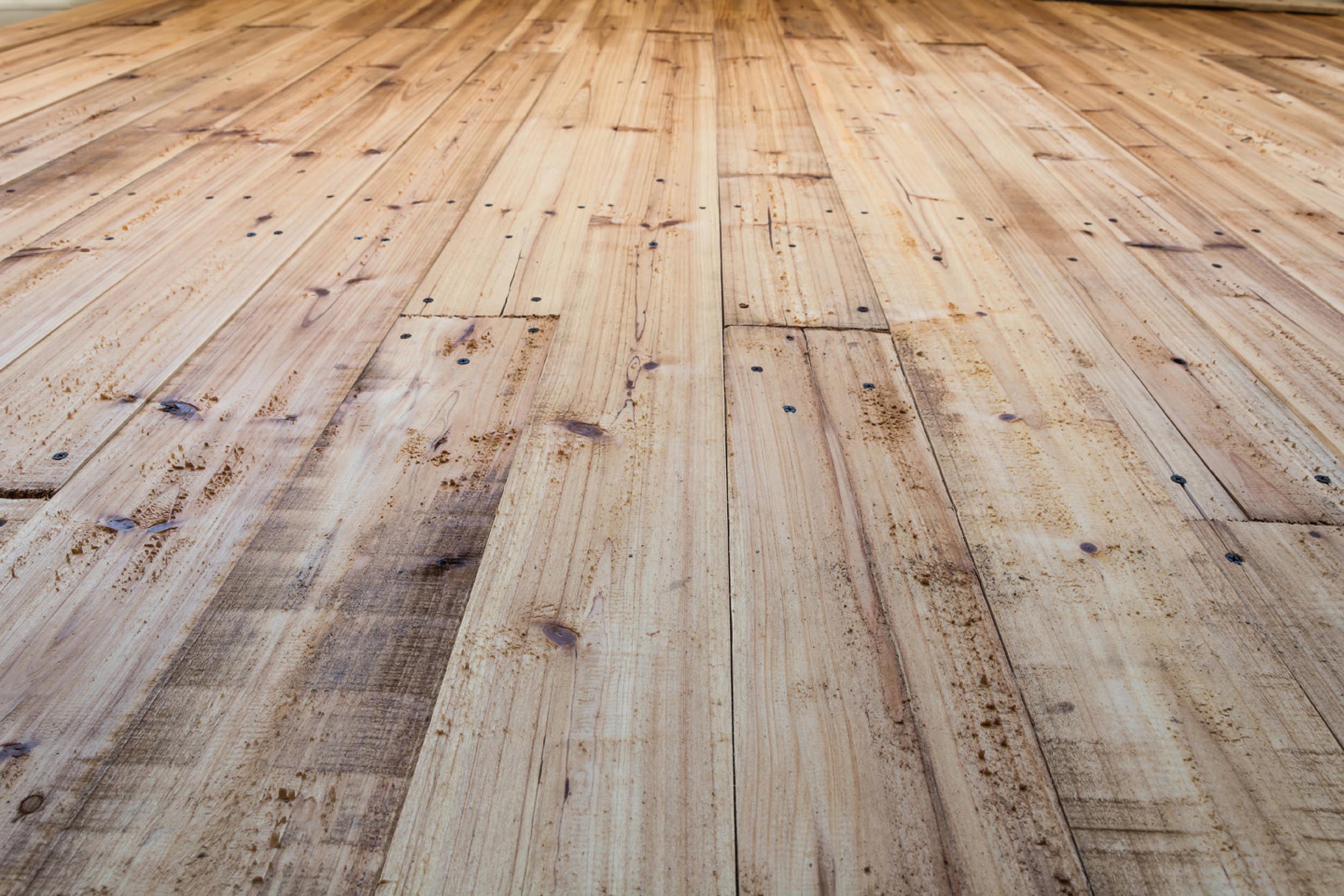
Modern homeowners increasingly seek flooring solutions that combine functionality with timeless aesthetics. From minimalist apartments to spacious villas, flooring decisions can completely transform how a space feels and functions.
Key factors to evaluate before selecting flooring materials for modern interiors
Several important factors should be considered before choosing flooring materials. Durability is often one of the first concerns because flooring experiences constant daily use.
Important considerations include:
- Foot traffic levels
- Moisture exposure
- Maintenance requirements
- Comfort underfoot
- Interior design compatibility
- Longevity of materials
Families with children or pets may prioritize scratch-resistant surfaces, while minimalist interiors may focus more on texture and seamless appearance.
Climate conditions also matter. Warm environments can affect certain flooring materials differently, especially natural wood surfaces that may expand or contract depending on humidity.
Many homeowners researching interior upgrades often explore options through a trusted flooring company dubai resource to better understand material performance and design compatibility.
Differences between resilient flooring and natural wood surfaces for homes
Resilient flooring is designed for durability, flexibility, and easier maintenance. Common resilient materials include vinyl, laminate, and hybrid flooring.
Natural wood flooring focuses more on warmth, texture, and timeless elegance. Each plank typically contains unique grain patterns that add character to interiors.
Key differences include:
Resilient Flooring Advantages
- Better moisture resistance
- Easier cleaning routines
- Reduced maintenance needs
- Suitable for high-traffic areas
Natural Wood Advantages
- Rich natural appearance
- Long-lasting visual appeal
- Warm underfoot feeling
- Timeless interior compatibility
Modern interiors often combine multiple flooring materials to balance practicality and aesthetics.
How flooring textures influence lighting and visual space perception indoors
Flooring texture significantly affects how light behaves within a room. Smooth, polished surfaces reflect more light and help brighten darker spaces.
Textured finishes absorb light differently, creating softer and more natural visual depth.
Light-colored flooring can make smaller rooms appear:
- Larger
- More open
- Brighter
- More spacious
Darker flooring adds warmth and sophistication but may visually reduce room size if not balanced with adequate lighting.
Texture also impacts physical comfort. Matte finishes often feel softer visually and help conceal dust and scratches more effectively than glossy surfaces.
Common flooring mistakes homeowners should avoid during renovation projects
One common mistake is selecting flooring based only on appearance without considering practical performance.
Other mistakes include:
- Ignoring moisture resistance
- Choosing unsuitable textures for high-traffic areas
- Forgetting maintenance requirements
- Overlooking room acoustics
- Using overly slippery finishes
Some homeowners install the same flooring throughout all rooms without considering different environmental needs.
For example, moisture-prone spaces may require more resilient materials compared to bedrooms or lounges.
Advantages of moisture-resistant flooring options in warm climate regions
Warm and humid climates can create challenges for certain flooring materials. Moisture-resistant flooring helps reduce problems such as swelling, warping, and mold growth.
Popular moisture-resistant options include:
- Luxury vinyl
- Ceramic surfaces
- Hybrid flooring
- Sealed concrete finishes
These materials are often easier to maintain and more stable under changing environmental conditions.
Homeowners seeking practical alternatives sometimes explore vinyl floor tiles because they combine water resistance with a wide variety of modern designs.
Moisture-resistant surfaces are especially useful in kitchens, entryways, and family living areas.
How flooring styles contribute to minimalist and luxury home aesthetics
Flooring acts as the foundation of interior design. Minimalist interiors typically use clean lines, neutral tones, and subtle textures.
Luxury interiors may feature:
- Rich wood grains
- Large-format planks
- Layered textures
- Contrasting tones
The flooring style influences furniture choices, lighting arrangements, and decorative accents.
Minimalist spaces often benefit from seamless flooring patterns that reduce visual clutter. Luxury interiors may emphasize bold textures and premium natural finishes.
Balanced flooring design creates visual continuity that enhances the overall atmosphere of the home.
Understanding long-term maintenance needs for various flooring materials
Maintenance requirements vary widely depending on flooring type. Understanding these needs before installation helps homeowners make realistic long-term decisions.
Low-Maintenance Flooring
- Vinyl
- Laminate
- Ceramic surfaces
Higher-Maintenance Flooring
- Solid wood
- Natural stone
- Soft textured finishes
Natural materials may require periodic refinishing or sealing to maintain their appearance.
Many people interested in timeless interiors explore hardwood flooring because of its durability and classic aesthetic, although proper maintenance remains essential.
Regular cleaning routines help preserve flooring appearance while reducing long-term wear.
Why durability and foot traffic matter when planning flooring installations
Durability becomes especially important in areas with heavy daily use. Entryways, hallways, and family rooms experience more pressure than quieter areas such as bedrooms.
Choosing flooring without considering traffic levels may lead to:
- Surface scratches
- Premature fading
- Texture wear
- Increased maintenance needs
Durable flooring helps maintain visual consistency over time while reducing repair requirements.
Commercial spaces often prioritize highly resistant materials because of constant movement and furniture usage.
Matching flooring strength to room function ensures better long-term performance.
Conclusion
Modern flooring decisions involve much more than appearance alone. Factors such as durability, moisture resistance, texture, lighting, and maintenance all contribute to long-term comfort and functionality. By understanding how different flooring materials perform in real environments, homeowners can create interiors that remain visually balanced and practical for years.
FAQs
What flooring materials are easiest to maintain?
Vinyl, laminate, and ceramic flooring are generally considered low-maintenance options.
How does flooring affect room appearance?
Flooring influences lighting, visual space perception, texture balance, and overall interior atmosphere.
Which flooring types work best for humid areas?
Moisture-resistant flooring such as vinyl and hybrid materials works well in humid environments.
Is hardwood flooring suitable for modern interiors?
Yes, hardwood flooring remains popular in both minimalist and luxury modern interior styles.
What should homeowners consider before choosing flooring?
Durability, maintenance, comfort, lighting, and room functionality should all be considered.