
Micro cement flooring has become increasingly popular in contemporary interior design because of its seamless appearance and versatile finish. Its minimalist aesthetic makes it suitable for modern homes, commercial interiors, and industrial-inspired spaces.
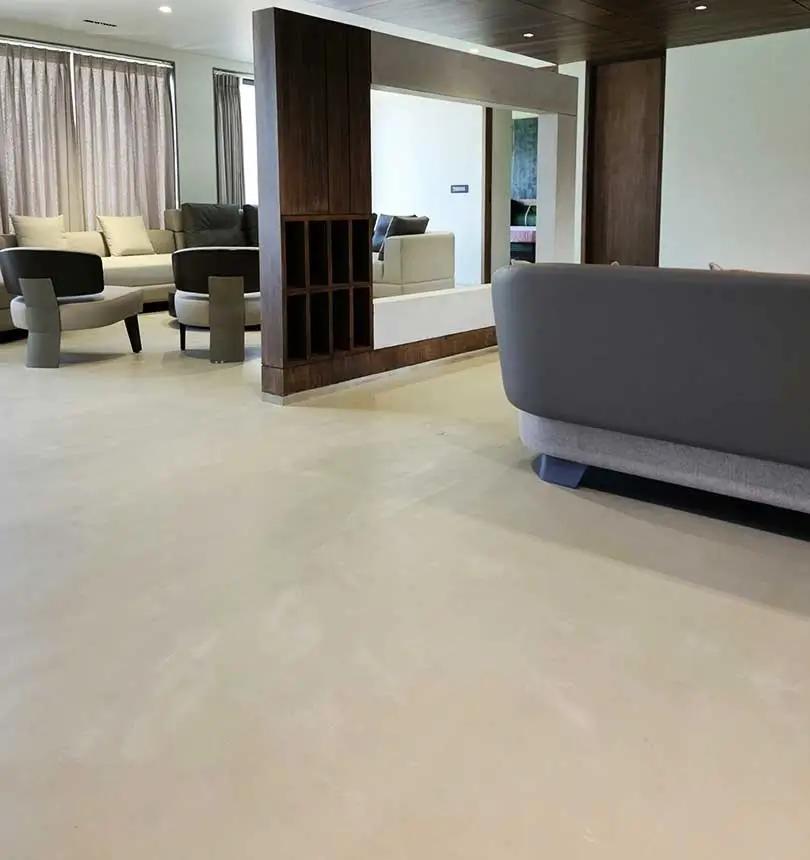
This flooring solution combines durability with visual simplicity, creating smooth surfaces that integrate naturally with many architectural styles. Understanding how micro cement works helps homeowners decide whether it fits their long-term interior goals.
What makes micro cement flooring popular in contemporary interior design today
Micro cement flooring is known for its clean and continuous appearance. Unlike traditional tile surfaces, it creates a seamless finish without visible grout lines.
This visual continuity helps interiors feel:
- Larger
- More open
- Modern
- Less cluttered
Minimalist design trends have increased the popularity of micro cement because it pairs well with neutral color palettes and simple architectural lines.
Its adaptability also allows application on floors, walls, staircases, and countertops.
Many homeowners exploring contemporary finishes research options related to micro cement floor surfaces because of their ability to combine aesthetics with practicality.
Key advantages of seamless flooring surfaces for residential living spaces
Seamless flooring offers several practical and visual advantages.
Important benefits include:
- Easier cleaning routines
- Reduced dirt accumulation
- Smooth visual transitions
- Contemporary appearance
- Improved spatial continuity
Without grout lines or large seams, surfaces appear cleaner and more uniform.
This style works especially well in open-plan interiors where visual flow between spaces is important.
Seamless finishes also contribute to minimalist aesthetics by reducing visual distractions.
How micro cement finishes create minimalist and industrial-style interiors beautifully
Micro cement complements both minimalist and industrial-inspired interiors because of its subtle texture and understated appearance.
Minimalist spaces benefit from:
- Neutral tones
- Smooth finishes
- Open visual flow
- Soft texture variation
Industrial interiors often pair micro cement with exposed materials such as metal, glass, and natural wood.
The balance between raw texture and polished simplicity creates a modern architectural atmosphere.
Lighting also enhances the subtle variations within micro cement surfaces, adding depth without overwhelming the design.
Important maintenance practices that extend the lifespan of micro cement floors
Proper maintenance helps preserve both the appearance and durability of micro cement flooring.
Helpful maintenance habits include:
- Sweeping regularly
- Using pH-neutral cleaners
- Avoiding abrasive chemicals
- Cleaning spills promptly
- Protecting surfaces from sharp impacts
Protective sealants are often used to improve stain resistance and moisture protection.
Routine care helps prevent scratches and preserves the smooth finish over time.
Compared to some traditional flooring materials, micro cement surfaces are relatively easy to maintain when sealed properly.
Differences between polished concrete and micro cement flooring applications indoors
Although polished concrete and micro cement share similar visual characteristics, they differ in thickness and application methods.
Polished Concrete
- Thicker structure
- Often used in larger commercial areas
- Requires structural concrete base
Micro Cement
- Thin coating application
- Suitable for renovations
- Applied over existing surfaces
Micro cement is often preferred for interior remodeling because it can be installed without removing existing flooring.
This flexibility makes it useful for faster renovation projects with minimal structural disruption.
Why waterproof flooring surfaces are becoming more important in renovations
Modern renovations increasingly prioritize moisture resistance because of changing lifestyle needs and environmental conditions.
Waterproof surfaces help reduce risks associated with:
- Moisture damage
- Mold growth
- Surface warping
- Long-term maintenance issues
Micro cement is commonly used in bathrooms, kitchens, and entryways because sealed finishes provide strong moisture resistance.
Homeowners seeking practical modern surfaces often compare flooring dubai solutions alongside micro cement options to understand different waterproof flooring alternatives.
Moisture-resistant materials contribute to longer-lasting interiors with reduced maintenance concerns.
Common design mistakes to avoid when using micro cement in small spaces
One common mistake is using overly dark finishes in compact rooms with limited natural light.
Other mistakes include:
- Ignoring lighting placement
- Combining too many textures
- Using inconsistent tones
- Overcrowding minimalist spaces
Micro cement works best when interiors maintain visual simplicity and balanced proportions.
Lighting design is particularly important because shadows and reflections influence how the texture appears.
Careful planning helps preserve the clean and spacious feeling associated with seamless surfaces.
How lighting and wall colors influence micro cement flooring appearance indoors
Lighting strongly affects the visual character of micro cement flooring.
Natural daylight often enhances subtle texture variations, while artificial lighting can emphasize warmth or coolness within the finish.
Light wall colors typically create:
- Brighter interiors
- More spacious atmosphere
- Softer visual contrast
Darker walls create dramatic contrast and highlight the flooring texture more strongly.
Some homeowners pair minimalist micro cement interiors with natural finishes sourced from wooden flooring suppliers in dubai to balance industrial textures with organic warmth.
Balanced color coordination improves the overall harmony of contemporary interiors.
Conclusion
Micro cement flooring combines seamless aesthetics, durability, and modern versatility. Its ability to create visually open interiors while supporting practical maintenance needs makes it a popular choice in contemporary design. With thoughtful planning and proper care, micro cement surfaces can remain elegant and functional for many years.
FAQs
Is micro cement flooring suitable for homes?
Yes, micro cement flooring is widely used in residential interiors because of its modern appearance and durability.
How durable are micro cement floor finishes?
Properly sealed micro cement floors are highly durable and resistant to daily wear.
Can micro cement work in moisture-prone areas?
Yes, sealed micro cement surfaces are commonly used in kitchens and bathrooms.
What interior styles pair well with micro cement?
Minimalist, industrial, and contemporary interiors pair especially well with micro cement finishes.
How should micro cement floors be maintained?
Regular sweeping and gentle pH-neutral cleaning help preserve the surface.