
Prayer mats are important elements in many homes because they combine spiritual significance with practical comfort. Beyond their religious purpose, prayer mats also contribute to the visual atmosphere of prayer spaces and interior design.
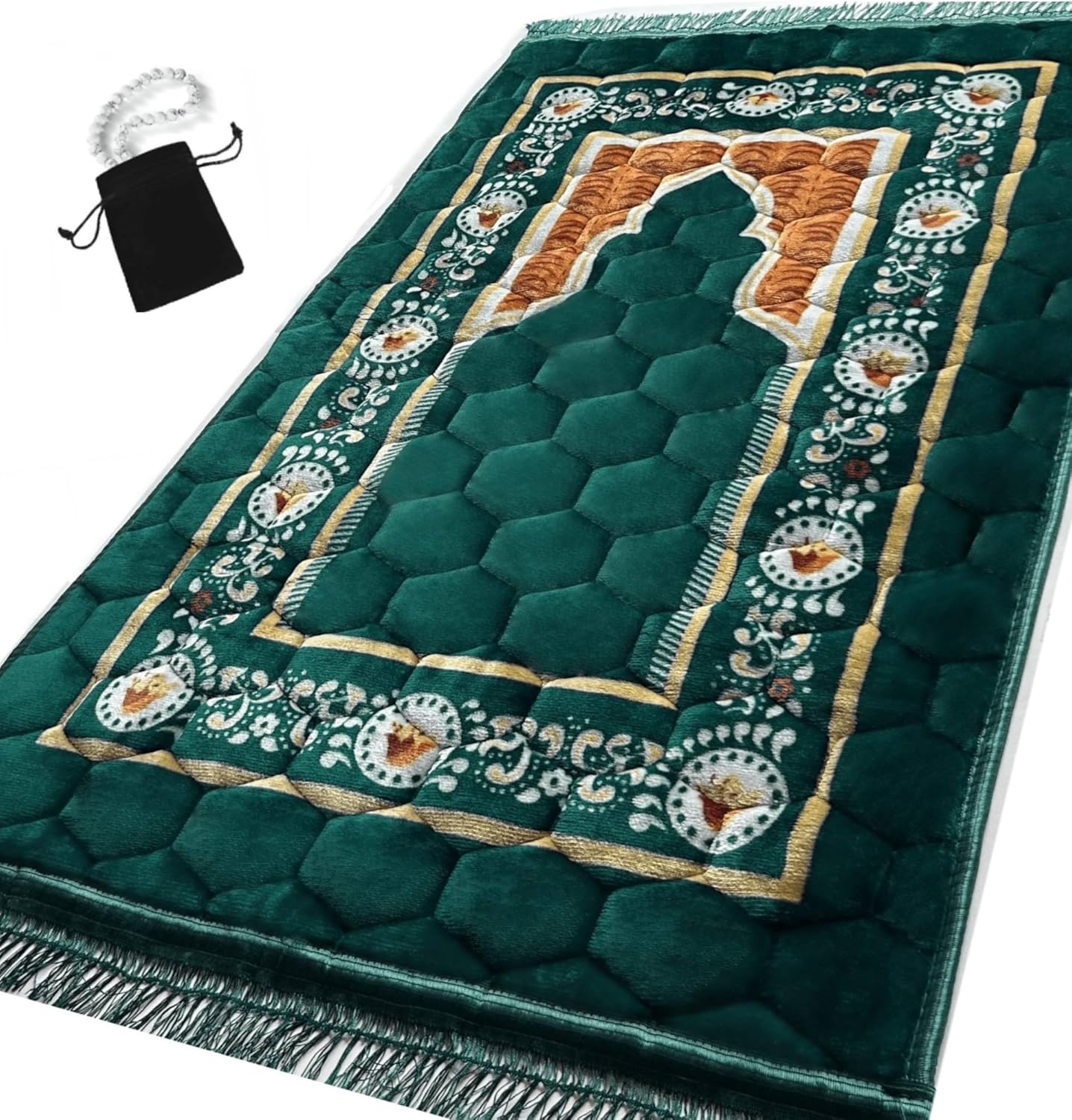
Modern prayer mats are available in numerous textures, materials, colors, and patterns. Understanding the differences between various options helps individuals choose mats that suit both personal comfort and long-term use.
Different prayer mat fabric options and how they affect overall comfort daily
The type of fabric used in a prayer mat directly affects comfort, softness, and durability. Different materials provide different experiences during daily use.
Common fabric choices include:
- Cotton
- Velvet
- Wool
- Polyester blends
- Synthetic microfiber
Cotton prayer mats are lightweight and breathable, making them comfortable in warm climates. Velvet textures provide softness and a luxurious feel.
Wool mats are durable and naturally warm, while synthetic blends often offer easier maintenance and stain resistance.
Comfort levels also depend on fiber density and weaving quality.
Why prayer mat thickness plays a major role in long-term usability indoors
Thickness significantly affects the overall comfort of a prayer mat. Thin mats may feel lightweight and portable, but they often provide limited cushioning.
Moderately padded mats help reduce pressure on:
- Knees
- Ankles
- Lower back
- Feet
Excessively thick mats may reduce stability during movement, while extremely thin mats can become uncomfortable on hard flooring surfaces.
The ideal balance usually depends on personal preference and flooring type within the home.
Some interiors combine soft prayer areas with natural flooring finishes such as solid wood flooring dubai to improve overall comfort and warmth.
Common decorative patterns found in traditional and modern prayer mats today
Traditional prayer mats often feature detailed geometric patterns, floral artwork, and symbolic architectural motifs.
Modern prayer mats typically emphasize:
- Minimalist aesthetics
- Neutral tones
- Simpler borders
- Contemporary textures
Traditional designs are inspired by centuries of craftsmanship and cultural heritage. Modern styles focus more on versatility and integration with contemporary interiors.
Color selection also affects the atmosphere of prayer spaces. Soft earthy tones generally create calm environments, while darker shades introduce visual depth.
How to preserve prayer mats properly to maintain softness and color quality
Proper maintenance helps extend the lifespan of prayer mats while preserving their texture and appearance.
Helpful preservation practices include:
- Vacuuming gently on low settings
- Airing mats regularly
- Avoiding direct sunlight exposure
- Spot-cleaning stains immediately
- Storing mats in dry areas
Harsh chemicals and excessive moisture can weaken fibers and fade colors over time.
Rotating the mat occasionally also helps distribute wear evenly across the surface.
Consistent maintenance keeps prayer mats visually appealing and comfortable for long-term use.
The importance of choosing breathable materials for warmer indoor environments
Breathable materials improve comfort by reducing heat retention and allowing better airflow.
Warm indoor environments may cause thicker synthetic fabrics to trap heat and become uncomfortable during extended use.
Breathable prayer mats often include:
- Cotton fibers
- Lightweight woven fabrics
- Natural fiber blends
These materials help maintain a cooler surface while still providing softness.
Interior ventilation and room temperature also influence how comfortable a prayer mat feels throughout the day.
Ways to integrate prayer mats naturally within contemporary home interiors
Modern homes increasingly incorporate dedicated prayer spaces that blend naturally with overall interior design.
Helpful integration ideas include:
- Coordinating mat colors with walls
- Using neutral textures
- Creating uncluttered prayer corners
- Adding soft lighting
Minimalist prayer spaces often emphasize simplicity and tranquility.
Some homeowners pair contemporary interiors with seamless flooring options such as vynil flooring to create clean visual continuity between rooms.
Small decorative elements such as shelves or indoor plants can further enhance the atmosphere without overwhelming the space.
Key differences between machine-made and handmade prayer mat construction
Handmade prayer mats typically involve traditional weaving methods and intricate craftsmanship. Each piece may contain slight variations that make it unique.
Machine-made mats focus on consistency, affordability, and mass production efficiency.
Handmade Prayer Mats
- Unique detailing
- Rich craftsmanship
- Dense weaving
- Traditional character
Machine-Made Prayer Mats
- Uniform appearance
- Easier accessibility
- Lightweight designs
- Faster production
Both types can offer durability depending on material quality and manufacturing standards.
How personal preferences influence the ideal prayer mat selection process
Prayer mat selection is highly personal because comfort and aesthetics vary between individuals.
Some users prioritize:
- Soft textures
- Lightweight portability
- Traditional patterns
- Minimalist designs
Others focus more on practical concerns such as easy cleaning and long-term durability.
Personal comfort during prayer often becomes the most important factor.
Many people exploring modern designs and traditional options review different styles of prayer mat before deciding which features best match their needs.
Conclusion
Prayer mats combine functionality, comfort, and visual design in ways that influence both worship experiences and interior aesthetics. By understanding materials, thickness, maintenance, and design styles, individuals can choose prayer mats that remain comfortable, durable, and visually harmonious for years.
FAQs
What is the ideal material for a prayer mat?
Cotton and wool are popular choices because they combine comfort, breathability, and durability.
How can prayer mats stay soft after long use?
Regular cleaning, proper storage, and avoiding harsh chemicals help maintain softness.
Are handmade prayer mats more durable?
Many handmade prayer mats are highly durable because of dense weaving and traditional craftsmanship.
Why do prayer mats come in different thickness levels?
Thickness affects cushioning, portability, and overall comfort during prayer.
Can prayer mats match modern room designs?
Yes, minimalist prayer mats can blend naturally into contemporary interior themes.