
Prayer mats hold both spiritual and practical importance in daily life. Beyond serving as a clean and comfortable surface for worship, they also contribute to the atmosphere of a prayer space. Modern homeowners increasingly look for prayer mats that blend comfort, durability, and visual harmony with interior design.
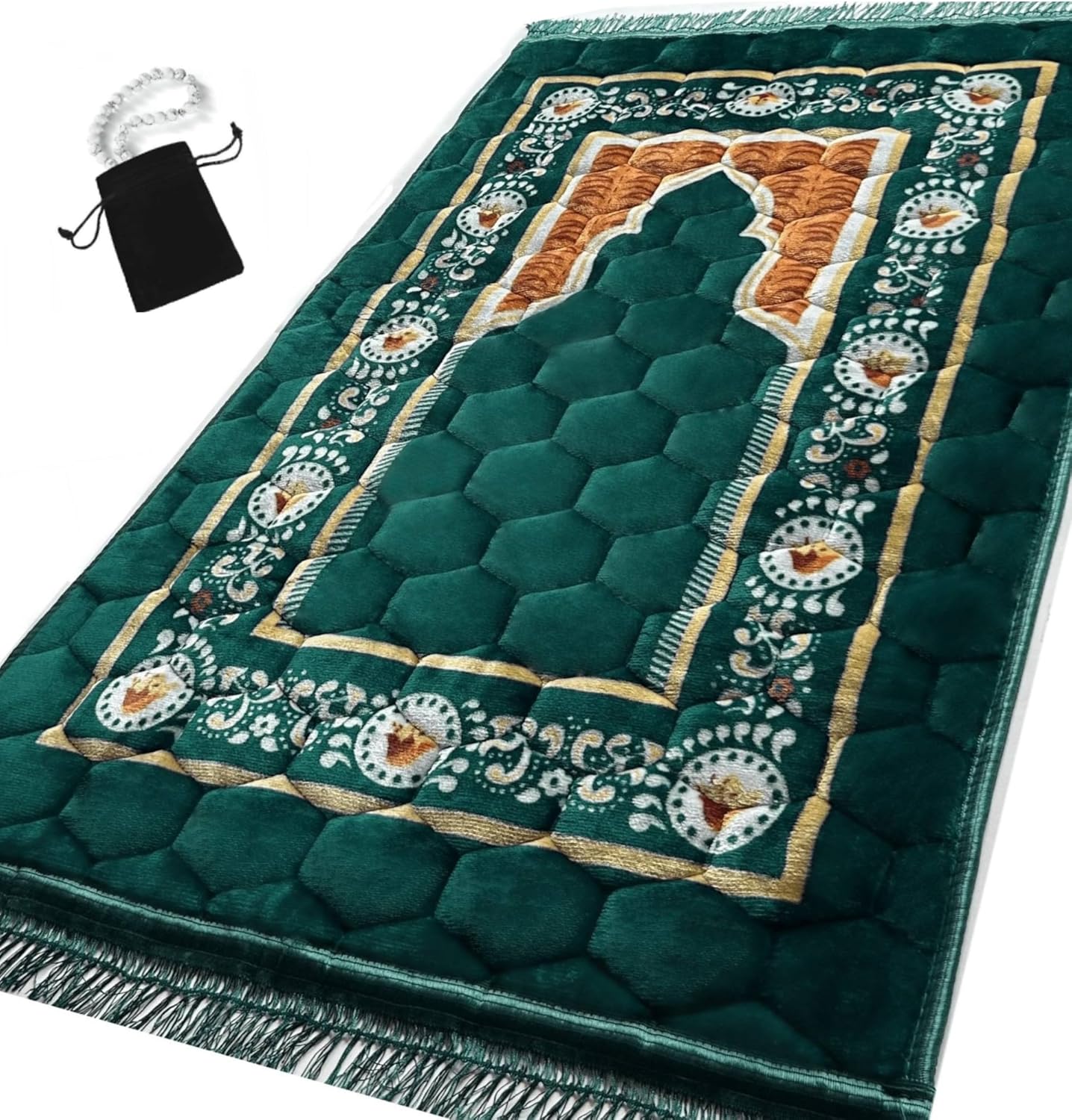
Today, prayer mats are available in a wide range of materials, textures, and decorative styles. Some people prefer traditional woven designs, while others choose minimalist options that complement modern homes. Understanding the features of different prayer mats can help individuals make informed decisions that support comfort and long-term usability.
How prayer mats improve comfort and focus during daily worship sessions
Comfort has a direct influence on concentration during prayer. A soft and supportive prayer mat helps reduce strain on the knees, ankles, and back, especially during extended periods of worship.
Many modern prayer mats include additional padding layers that provide cushioning without becoming overly thick. This balance allows users to maintain stability while feeling physically supported. Comfortable textures also create a calming environment that encourages mental focus.
A prayer space that feels organized and welcoming often promotes consistency in daily routines. Incorporating calming fabrics and soft textures can improve the overall atmosphere of the room.
In some interiors, homeowners pair prayer spaces with neutral flooring tones such as engineered wood flooring dubai to create a warm and peaceful environment.
Important materials used in modern prayer mats and their long-term durability
Prayer mats are manufactured using several types of materials, each offering unique characteristics. Common options include:
- Cotton
- Wool
- Polyester
- Velvet
- Synthetic blends
Cotton prayer mats are lightweight and breathable, making them suitable for warmer climates. Wool mats provide excellent softness and durability but may require additional care. Polyester and blended materials are often chosen for their resistance to wear and easy maintenance.
Durability depends heavily on stitching quality and fiber density. Mats with tightly woven structures generally maintain their shape and texture longer. Reinforced edges also help prevent fraying after repeated use.
Modern manufacturing methods now allow prayer mats to combine traditional aesthetics with practical features such as stain resistance and anti-slip backing.
Differences between traditional and contemporary prayer mat weaving styles
Traditional prayer mats often feature intricate geometric patterns, floral motifs, and rich color combinations inspired by historical craftsmanship. Handmade weaving techniques create unique textures that give each mat an individual character.
Contemporary prayer mats, on the other hand, usually focus on:
- Minimalist patterns
- Neutral color palettes
- Simpler borders
- Lightweight materials
These modern styles are designed to fit seamlessly into contemporary interiors without overwhelming the surrounding decor.
Traditional mats may use thicker fibers and dense weaving methods that improve insulation and comfort. Contemporary designs often prioritize portability and easier storage.
The choice between traditional and modern styles largely depends on personal preferences and interior design themes.
How interior color themes can influence prayer room aesthetics at home
Color psychology plays an important role in creating a peaceful prayer environment. Soft and neutral tones generally promote calmness and reduce visual distractions.
Popular color themes include:
- Beige and cream for warmth
- Gray and white for minimalist spaces
- Earth tones for natural aesthetics
- Deep blue for a calming atmosphere
Prayer mats can either blend into the overall room design or act as subtle focal points. Coordinating the mat color with surrounding furniture and flooring creates visual harmony.
Some homeowners use textured surfaces such as microcement abu dhabi finishes alongside minimalist prayer spaces to achieve a balanced contemporary appearance.
Lighting also affects how colors appear. Natural daylight often enhances soft textures and woven details within the mat design.
Essential cleaning and maintenance methods for keeping prayer mats fresh longer
Regular maintenance helps preserve both appearance and hygiene. Since prayer mats are used frequently, proper cleaning routines are important for extending their lifespan.
Helpful maintenance practices include:
- Vacuuming gently to remove dust
- Airing mats regularly
- Spot-cleaning spills immediately
- Avoiding excessive moisture exposure
For delicate fabrics, hand washing may be safer than machine washing. Harsh cleaning chemicals can weaken fibers and fade decorative patterns over time.
Storage is equally important. Folding mats carefully and keeping them in dry environments prevents permanent creases and moisture damage.
Rotating the mat occasionally can also reduce uneven wear in frequently used areas.
Common mistakes people make when selecting prayer mats for personal spaces
Many individuals focus only on appearance while overlooking comfort and functionality. One common mistake is choosing overly thin mats that provide insufficient support during long prayers.
Other common selection mistakes include:
- Ignoring material durability
- Choosing difficult-to-clean fabrics
- Selecting colors that stain easily
- Purchasing mats too small for comfortable movement
Another issue is failing to consider how the prayer mat fits into the overall room design. Large decorative patterns may visually overwhelm compact spaces.
Some people also overlook texture quality, which significantly affects daily comfort.
Exploring different styles of prayer mats dubai can help users better understand the balance between aesthetics and practicality.
Why soft textures and padding matter for extended prayer use indoors
Soft textures help reduce physical discomfort during kneeling and sitting positions. Padding can also support individuals with joint sensitivity or hard flooring surfaces.
The ideal prayer mat should provide:
- Moderate cushioning
- Stable surface grip
- Breathable materials
- Comfortable texture balance
Overly thick mats may reduce stability, while extremely thin mats may lead to discomfort during prolonged use.
Texture also affects temperature perception. Softer fibers tend to feel warmer and more inviting, especially in air-conditioned indoor environments.
This combination of comfort and practicality contributes to a more relaxing and focused prayer experience.
Ways to coordinate prayer mats with minimalist and luxury interior designs
Minimalist interiors often benefit from simple prayer mat designs with clean lines and muted colors. These styles help maintain visual openness while preserving functionality.
Luxury interiors may incorporate:
- Velvet textures
- Gold-accented patterns
- Layered textiles
- Rich woven details
The key is balance. Prayer mats should complement the room rather than dominate it visually.
Interior harmony can be enhanced through coordinated materials, lighting, and flooring textures. Small decorative elements such as cushions or shelving can also unify the prayer area aesthetically.
Conclusion
Prayer mats serve both functional and aesthetic purposes within modern homes. Choosing the right material, texture, and design can improve comfort while enhancing the overall atmosphere of a prayer space. With proper maintenance and thoughtful coordination, prayer mats can remain durable, comfortable, and visually appealing for many years.
FAQs
What materials are commonly used in prayer mats?
Cotton, wool, velvet, polyester, and blended synthetic fibers are commonly used for prayer mats.
How often should prayer mats be cleaned?
Prayer mats should be cleaned regularly depending on usage frequency, ideally every few weeks.
Are thick prayer mats better for joint support?
Moderately padded prayer mats can improve comfort and reduce strain on joints during prayer.
What size prayer mat works best for small rooms?
Compact and standard-sized mats work well in smaller prayer areas without overcrowding the space.
Can prayer mats complement modern interior themes?
Yes, minimalist prayer mat designs can blend effectively with contemporary and luxury interiors.