
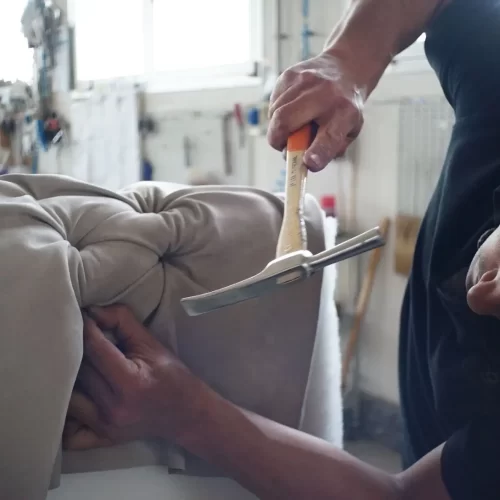
Furniture naturally ages over time. Fabric fades, padding compresses, seams loosen, and frames may begin to creak. While many people assume replacement is the only solution, reupholstery offers an effective way to restore both comfort and appearance without discarding structurally sound furniture.
Reupholstery is the process of replacing fabric, padding, springs, and sometimes structural components of furniture while preserving its original frame. It combines craftsmanship, material knowledge, and structural repair to extend the life of chairs, sofas, and other upholstered pieces. Understanding how reupholstery works and why it matters helps homeowners and business owners make informed decisions about maintaining their interiors.
What Reupholstery Means and How the Process Works
Reupholstery involves far more than simply adding new fabric. It is a detailed process that restores the entire upholstered structure of a furniture piece.
The process typically includes:
- Initial Assessment
The furniture is inspected to evaluate frame stability, spring condition, and padding wear. - Removal of Old Upholstery
Existing fabric, staples, and padding are carefully removed to expose the frame. - Structural Repairs
Loose joints are tightened, broken components are repaired, and weak areas are reinforced. - Replacement of Padding and Support
Foam, webbing, and springs are repaired or replaced to restore comfort. - Fabric Installation
New material is measured, cut, and secured with precision to ensure proper tension and alignment.
For example, when restoring seating pieces such as those needing sofa upholstery, the internal structure often requires as much attention as the outer fabric. Proper layering of padding and fabric ensures both comfort and long-term durability.
Reupholstery combines technical skill and design awareness to achieve results that feel and look refreshed.
Situations Where Restoring Furniture Is More Practical
Reupholstery becomes a practical solution in several scenarios where replacement may not be necessary.
When the Frame Is Structurally Sound
If the wooden or metal frame remains sturdy, restoring the upholstery can significantly extend the life of the piece.
When Furniture Has Sentimental Value
Antique or inherited furniture often holds emotional importance. Reupholstery preserves memories while updating functionality.
When Design Consistency Matters
In coordinated spaces such as offices or hospitality areas, replacing one item may disrupt visual harmony. Reupholstery allows consistent styling.
When Wear Is Surface-Level
If damage is limited to fabric fading, stains, or compressed cushions, restoration is often sufficient.
Choosing reupholstery in these cases reduces waste while maintaining structural integrity.
How Fabric Choices Influence Furniture Performance
Fabric selection plays a crucial role in how furniture performs over time. Different materials offer varying levels of durability, texture, and maintenance requirements.
Key Factors to Consider
- Abrasion Resistance – Important for high-traffic seating
- Breathability – Enhances comfort in warmer climates
- Stain Resistance – Useful for homes with children or pets
- Colorfastness – Prevents fading under sunlight exposure
Selecting cheap upholstery fabric does not necessarily mean compromising durability. Many budget-friendly fabrics are engineered for resilience and everyday performance. The key lies in evaluating fabric ratings and matching materials to the intended use of the furniture.
Fabric Types Commonly Used
- Cotton blends for breathability
- Linen for lightweight elegance
- Velvet for texture and depth
- Leather or faux leather for easy maintenance
- Synthetic fibers for stain resistance
The right fabric balances visual appeal with functional longevity.
Structural Repairs That Support Long-Term Durability
Reupholstery often includes structural improvements that enhance the overall lifespan of furniture. These hidden repairs are critical to comfort and safety.
Common Structural Enhancements
- Reinforcing weak wooden joints
- Replacing damaged springs
- Installing new webbing support
- Adding high-density foam for better cushioning
Ignoring internal damage can lead to uneven seating and faster deterioration. Skilled professionals carefully evaluate each component before reassembling the furniture.
For those exploring complete reupholstery services, structural reinforcement is often one of the most valuable aspects of the process. It ensures that updated furniture performs reliably for years rather than simply looking refreshed.
Proper structural care transforms worn furniture into stable and comfortable seating once again.
Environmental Benefits of Extending Furniture Lifespan
Reupholstery contributes to sustainability by reducing the demand for new furniture production. Discarded furniture adds significant volume to landfills, especially when frames remain usable.
Environmental Advantages Include:
- Reducing waste from discarded furniture
- Conserving raw materials such as wood and metal
- Lowering manufacturing-related energy consumption
- Minimizing transportation emissions associated with new furniture
Extending furniture lifespan supports more responsible consumption habits. Instead of disposing of items at the first sign of wear, restoration encourages thoughtful maintenance.
In addition, many upholstery professionals offer fabric options made from recycled or eco-friendly materials, further supporting sustainable choices.
Comparing Upholstery Replacement with Buying New Items
When deciding between reupholstery and purchasing new furniture, several considerations come into play.
Advantages of Reupholstery
- Maintains original craftsmanship
- Allows custom fabric selection
- Preserves unique or vintage designs
- Reduces environmental impact
Advantages of Buying New
- Access to updated designs
- Potentially lighter materials
- No restoration time required
However, new furniture does not always guarantee superior quality. Older furniture often features solid wood frames and traditional joinery techniques that may exceed the durability of some modern mass-produced pieces.
Reupholstery offers a balanced approach: retaining structural strength while updating appearance and comfort.
Common Mistakes to Avoid During Furniture Restoration
While reupholstery can be highly beneficial, certain mistakes may compromise results.
1. Choosing Fabric Based Only on Appearance
Ignoring durability ratings can lead to premature wear.
2. Overlooking Structural Damage
Failing to repair internal components reduces long-term stability.
3. Using Inappropriate Foam Density
Incorrect cushioning affects both comfort and shape retention.
4. Ignoring Pattern Alignment
Misaligned patterns reduce visual symmetry and professionalism.
5. Skipping Professional Assessment
Attempting complex restoration without expertise may cause further damage.
Avoiding these common pitfalls ensures that the restoration process delivers lasting value and comfort.
Maintenance Tips After Completing Reupholstery Work
Proper care after reupholstery maximizes the lifespan of restored furniture.
Routine Maintenance
- Vacuum upholstery weekly to remove dust
- Rotate cushions to distribute wear evenly
- Clean spills immediately using fabric-safe products
Preventive Measures
- Avoid prolonged direct sunlight exposure
- Keep humidity levels moderate
- Tighten loose screws periodically
Long-Term Care
- Schedule occasional inspections for structural integrity
- Consider protective treatments for stain resistance
Consistent maintenance preserves both appearance and comfort, ensuring the restored furniture remains functional for many years.
Conclusion
Reupholstery is a comprehensive restoration process that enhances both the appearance and structural integrity of furniture. By replacing worn fabric, reinforcing frames, and renewing padding, it transforms aging pieces into refreshed, comfortable seating.
Beyond aesthetic benefits, reupholstery promotes sustainability, preserves sentimental value, and supports long-term durability. When approached thoughtfully—with careful fabric selection, structural attention, and proper maintenance—it offers a practical and responsible way to extend furniture lifespan.
Understanding how reupholstery works empowers individuals to make informed decisions about maintaining their interiors while preserving quality craftsmanship.
FAQs
1. What is the difference between reupholstery and repair?
Repair typically addresses minor structural issues or small fabric damages, while reupholstery involves replacing fabric, padding, and often internal support systems for a comprehensive restoration.
2. When should furniture be reupholstered?
Furniture should be reupholstered when fabric is worn, faded, or torn but the frame remains structurally sound. It is also suitable when updating interior design themes.
3. How long does reupholstery typically take?
The duration depends on the complexity of the furniture piece and the extent of repairs required. Larger items such as sofas generally require more time than single chairs.
4. What types of furniture can be reupholstered?
Chairs, sofas, dining seats, ottomans, benches, and certain headboards can all be reupholstered, provided their frames are stable.
5. How do I maintain furniture after reupholstery?
Regular vacuuming, prompt spill cleaning, cushion rotation, and avoiding prolonged sun exposure help maintain both fabric appearance and structural integrity.