
Wood painting is one of the most effective ways to refresh furniture, cabinets, doors, and decorative surfaces. A well-painted wooden surface can improve visual appeal while also adding protection against moisture, dust, and daily wear. However, achieving long-lasting results requires more than simply applying paint. Proper preparation, suitable materials, and ongoing maintenance all play an important role in ensuring durability.
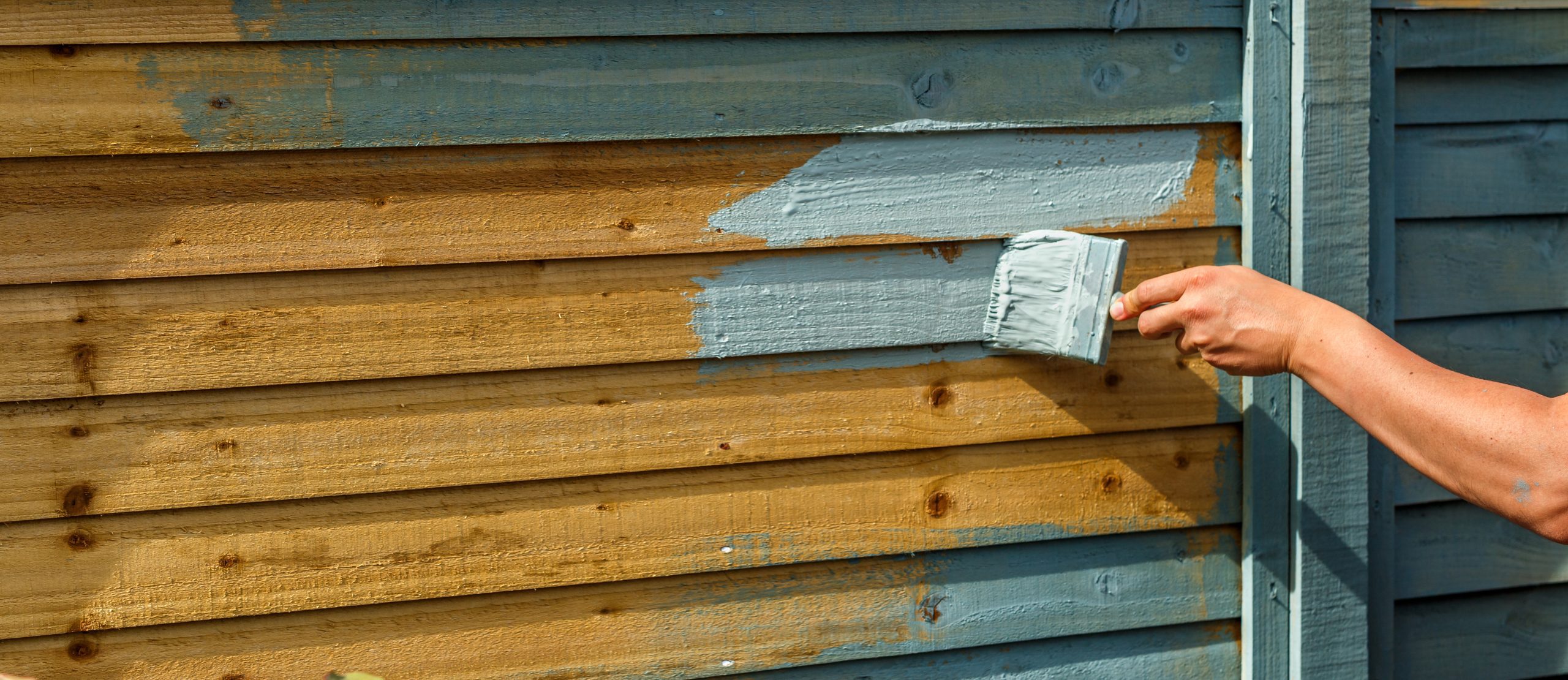
Whether updating old furniture or customizing modern interiors, understanding the fundamentals of wood painting helps homeowners avoid common mistakes and achieve more professional-looking finishes.
Understanding the difference between staining, sealing, and wood painting
Many people confuse staining, sealing, and painting because all three processes involve treating wooden surfaces. However, each method serves a different purpose and creates a unique appearance.
Wood staining
Wood stains penetrate the surface and enhance the natural grain of the wood. Staining is commonly used when homeowners want to preserve the texture and organic appearance of the material.
Sealing
Sealers create a protective barrier over the wood. They help resist moisture, dust, and scratches while maintaining the original look of the surface.
Wood painting
Painting covers the wood completely with color. This method allows greater design flexibility and works well for both traditional and modern interiors.
Many homeowners exploring wood painting techniques often choose painting because it offers more color customization and helps conceal imperfections in older furniture.
How surface preparation affects the quality of painted wood furniture
Preparation is one of the most important stages of wood painting. Even high-quality paint may fail prematurely if the surface is not prepared correctly.
Important preparation steps include:
- Cleaning the wood thoroughly
- Removing old paint or varnish
- Sanding rough surfaces evenly
- Filling cracks or dents
- Applying a suitable primer
Dust and grease are common reasons why paint struggles to adhere properly. Sanding also creates a smoother base that allows paint to spread evenly across the surface.
Skipping preparation often leads to peeling, bubbling, or uneven finishes after the paint dries.
Choosing paint finishes that work best for indoor wooden surfaces
Different paint finishes produce different visual effects and maintenance requirements. Choosing the right finish depends on how the furniture or surface will be used.
Matte finish
- Soft and non-reflective appearance
- Hides imperfections effectively
- Suitable for decorative furniture
Satin finish
- Slight sheen with easier cleaning
- Popular for cabinets and tables
- Offers balanced durability and appearance
Gloss finish
- Highly reflective and durable
- Easier to clean
- Highlights surface imperfections more easily
The intended environment also matters. High-traffic areas generally benefit from finishes that resist stains and scratches more effectively.
Common wood painting mistakes that lead to peeling and cracking later
Paint failure often results from avoidable mistakes during application or maintenance.
Frequent painting mistakes include:
- Applying paint over dirty surfaces
- Ignoring moisture problems
- Using unsuitable primers
- Applying excessively thick coats
- Skipping sanding between layers
Temperature and humidity also influence drying performance. Painting during extremely humid conditions may trap moisture beneath the paint layer, eventually causing bubbling or peeling.
Patience during drying stages helps improve long-term durability.
The role of sanding and priming before applying paint on wood surfaces
Sanding and priming are critical for achieving professional results. These steps improve paint adhesion and help create smoother finishes.
Benefits of sanding
- Removes rough textures
- Eliminates old paint residue
- Improves paint bonding
- Smooths repaired areas
Benefits of priming
- Blocks stains from bleeding through paint
- Creates a uniform base color
- Improves paint durability
- Reduces uneven absorption
Different wood types may require specific primers. Porous woods often absorb paint unevenly without proper priming.
Some homeowners researching upholstered bed styles also coordinate painted wood finishes with bedroom furniture to maintain cohesive interior themes.
How painted wooden furniture can complement modern interior design themes
Painted wood works well in many interior styles because color choices can dramatically change the atmosphere of a room.
Popular modern painting trends include:
- Neutral earthy tones
- Matte black finishes
- Soft gray shades
- White minimalist designs
- Natural muted greens and blues
Painted furniture can either blend with surrounding décor or act as a visual focal point.
For example:
- Dark painted cabinets often create dramatic modern aesthetics
- Light-colored painted furniture can make smaller rooms appear larger
- Two-tone combinations add visual depth and contrast
Color coordination between walls, flooring, and furniture helps create balanced interior spaces.
Eco-friendly paint options suitable for residential furniture applications
Eco-friendly paints have become increasingly popular because they reduce indoor chemical exposure and environmental impact.
Common eco-friendly options include:
- Low-VOC paints
- Water-based acrylic paints
- Natural mineral paints
- Plant-based finishes
Low-VOC products release fewer strong odors and generally improve indoor air quality during and after painting.
Water-based paints also tend to dry faster and allow easier cleanup compared to oil-based alternatives.
Choosing environmentally conscious products can be especially beneficial in homes with children or pets.
Maintenance techniques that keep painted wood looking fresh for years
Proper maintenance extends the life of painted wood and helps preserve appearance over time.
Helpful maintenance practices include:
- Dusting surfaces regularly
- Avoiding abrasive cleaning tools
- Using coasters and protective pads
- Cleaning spills immediately
- Limiting direct sunlight exposure
Minor scratches should be repaired early before moisture reaches the underlying wood.
Households seeking advice regarding furniture repair abu dhabi solutions often discover that preventive maintenance significantly reduces long-term restoration needs for painted furniture.
Conclusion
Wood painting combines creativity with practical protection. Successful results depend heavily on preparation, suitable materials, careful application, and consistent maintenance. By understanding different finishes, avoiding common mistakes, and choosing durable paint systems, homeowners can maintain attractive wooden surfaces for many years while supporting modern interior design goals.
FAQs
Why is sanding important before painting wood?
Sanding smooths rough surfaces and improves paint adhesion, helping create a more durable finish.
Which paint finishes work best on furniture?
Satin and semi-gloss finishes are commonly preferred because they balance appearance and durability.
How can painted wood resist moisture and scratches?
Using quality primers, protective topcoats, and regular maintenance helps improve resistance.
What causes paint to peel from wooden surfaces?
Poor preparation, trapped moisture, and unsuitable paint products are common causes of peeling.
Can old furniture be repainted multiple times successfully?
Yes, provided previous layers are properly prepared and the structure remains stable.