
A kitchen renovation can transform both the appearance and functionality of a home. Since kitchens are among the most frequently used areas in residential spaces, thoughtful planning becomes essential before starting any remodeling project. Renovations are not only about aesthetics but also about improving workflow, storage, safety, and daily convenience.
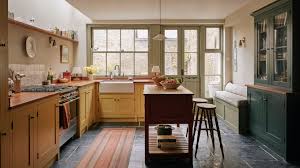
Understanding layout options, material choices, and practical design strategies helps homeowners create kitchens that remain comfortable and functional for many years. Careful preparation also reduces the likelihood of costly mistakes during the renovation process.
Essential planning steps before starting a kitchen renovation project
Successful kitchen renovations usually begin with detailed preparation. Without clear planning, homeowners may encounter design inconsistencies, storage limitations, or inefficient layouts.
Important planning considerations include:
- Identifying daily kitchen habits and usage patterns
- Measuring available space accurately
- Defining storage requirements
- Evaluating lighting and ventilation needs
- Selecting practical materials suitable for long-term use
Many homeowners researching kitchen renovation abu dhabi projects focus heavily on appearance initially, but workflow efficiency often becomes equally important after renovation completion.
Careful planning helps ensure that all kitchen components work together harmoniously.
How kitchen layouts impact workflow, storage, and functionality at home
Kitchen layout design directly affects movement efficiency during cooking, cleaning, and food preparation. A poorly designed kitchen may create unnecessary obstacles that reduce comfort and productivity.
Common kitchen layouts include:
- L-shaped kitchens
- U-shaped kitchens
- Galley kitchens
- Island kitchens
- Open-concept kitchens
Each layout offers different advantages depending on household size and available space.
For example:
- Galley kitchens maximize narrow spaces efficiently
- Island kitchens improve interaction and workspace flexibility
- U-shaped layouts provide extensive storage and countertop areas
Choosing the right configuration helps improve accessibility and organization.
Popular countertop and cabinet material options for modern kitchens
Kitchen materials influence durability, maintenance requirements, and overall design consistency. Countertops and cabinets must withstand moisture, heat, and frequent cleaning.
Common countertop materials:
- Quartz
- Granite
- Marble
- Laminate
- Solid surface materials
Popular cabinet materials:
- Solid wood
- MDF panels
- Plywood
- Veneer finishes
Each material varies in maintenance needs and resistance to moisture or scratches.
Some homeowners exploring upholstery fabric dubai inspirations also prioritize texture coordination between kitchens and nearby living areas to maintain visual continuity throughout the home.
Lighting placement strategies that improve comfort and kitchen visibility
Proper lighting improves both safety and comfort in kitchen environments. Poor lighting can create shadows, reduce visibility, and negatively affect functionality.
Effective kitchen lighting usually combines:
- Ambient lighting for general brightness
- Task lighting for food preparation
- Accent lighting for decorative features
Under-cabinet lighting is particularly useful because it improves countertop visibility without overwhelming the space.
Natural lighting also plays an important role. Large windows or reflective surfaces can help kitchens feel more open and inviting.
Common renovation mistakes that can affect long-term kitchen usability
Many renovation problems result from focusing too heavily on appearance while ignoring functionality.
Frequent mistakes include:
- Insufficient storage planning
- Poor appliance placement
- Inadequate ventilation systems
- Limited countertop workspace
- Ignoring electrical outlet placement
Another common issue involves overcrowding kitchens with oversized islands or decorative features that reduce movement space.
Functional kitchens prioritize usability alongside aesthetics.
Space-saving ideas that work well in compact apartment kitchens
Small kitchens benefit greatly from smart storage and layout strategies. Maximizing vertical space and minimizing clutter can dramatically improve functionality.
Useful space-saving ideas include:
- Pull-out storage systems
- Wall-mounted shelves
- Foldable countertops
- Built-in organizers
- Compact appliances
Mirrored surfaces and light color palettes may also help smaller kitchens appear visually larger.
Efficient organization becomes especially valuable in apartments where storage capacity is naturally limited.
How to balance aesthetics and practicality in kitchen remodeling designs
A visually attractive kitchen should still support everyday activities comfortably. Balancing style and practicality involves selecting materials and layouts that remain functional over time.
Important considerations include:
- Choosing easy-to-clean surfaces
- Avoiding overly delicate finishes
- Selecting durable flooring materials
- Maintaining adequate walking space
- Using practical storage systems
Homeowners often discover that highly decorative designs may become difficult to maintain in busy households.
Functional elegance usually creates better long-term satisfaction than purely trend-focused designs.
Important maintenance habits that help renovated kitchens last longer
After renovation completion, regular maintenance helps preserve both appearance and functionality.
Helpful maintenance habits include:
- Cleaning spills immediately
- Inspecting cabinet hinges regularly
- Avoiding excessive moisture accumulation
- Using non-abrasive cleaning products
- Maintaining ventilation systems properly
Even durable materials benefit from routine care. Preventive maintenance reduces long-term wear and minimizes repair needs.
Some families researching sofa upholstery abu dhabi upgrades for adjacent living spaces also coordinate maintenance routines to preserve consistency throughout connected interior areas.
Conclusion
Kitchen renovations involve more than visual improvements. Effective planning, smart layouts, durable materials, and regular maintenance all contribute to creating kitchens that remain practical and comfortable over time. A balanced approach focusing on both aesthetics and usability often leads to the most successful renovation outcomes.
FAQs
What should be planned before renovating a kitchen?
Space measurements, storage requirements, layout preferences, lighting, and material selection should all be carefully planned beforehand.
Which kitchen layouts are most practical for families?
L-shaped and U-shaped kitchens are commonly preferred because they offer efficient workflow and storage capacity.
How can lighting improve kitchen functionality?
Proper lighting improves visibility during cooking, cleaning, and food preparation while also enhancing comfort.
What materials are easiest to maintain in kitchens?
Quartz countertops, laminate surfaces, and moisture-resistant cabinets are generally considered easy to maintain.
How can small kitchens feel more spacious after renovation?
Light colors, efficient storage systems, reflective surfaces, and compact layouts can help small kitchens appear larger.