
Furniture plays an important role in both comfort and interior appearance. Over time, however, even high-quality pieces can begin to show signs of aging. Scratches, loose joints, faded upholstery, and structural instability are common problems that develop through daily use. Instead of immediately replacing damaged furniture, many homeowners explore restoration and repair methods that help preserve their favorite pieces for years.
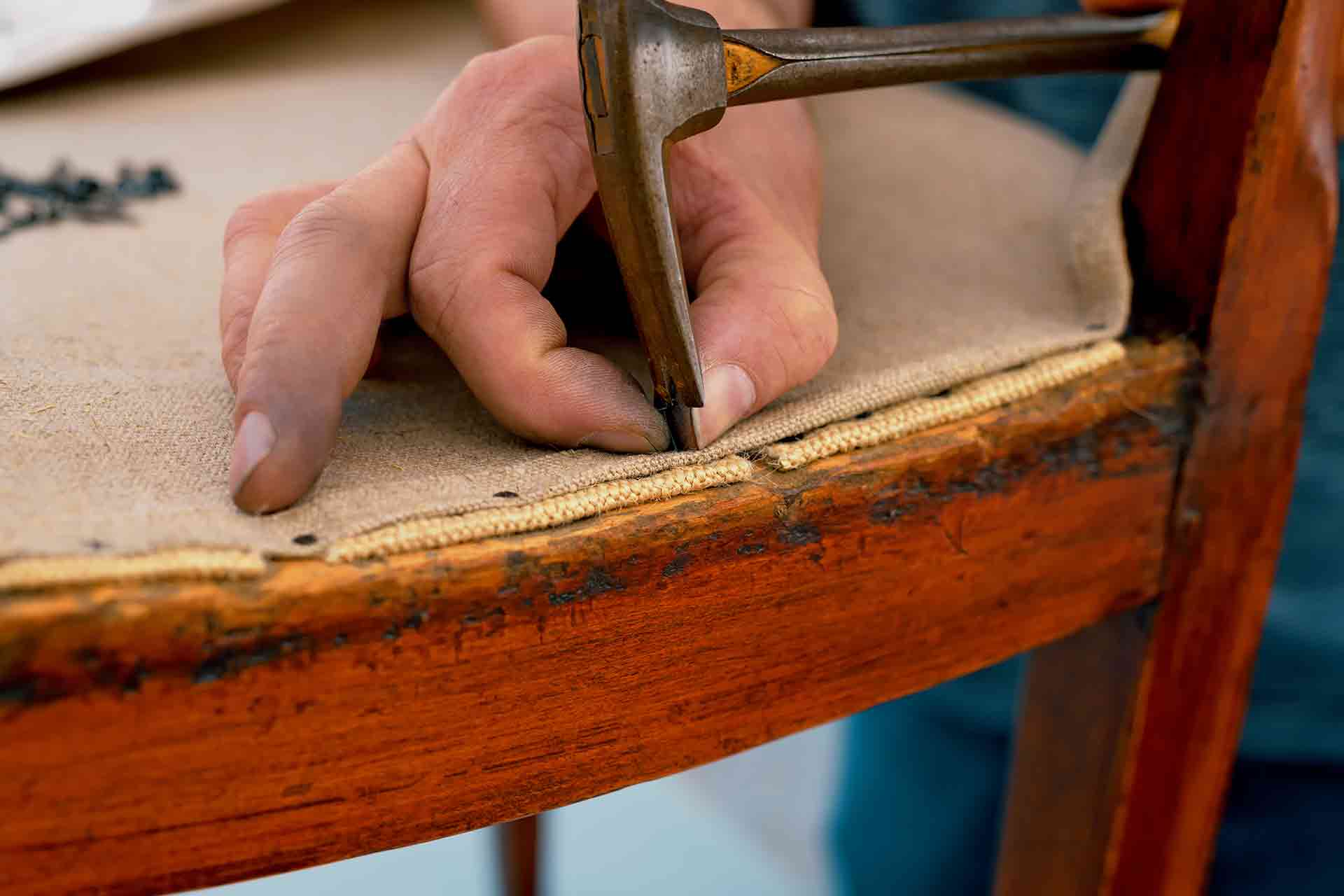
Understanding how furniture repair works can help people make informed decisions about maintenance, restoration, and material care. Whether dealing with wooden tables, upholstered sofas, or antique cabinets, knowing the causes of wear and the solutions available makes long-term furniture care more manageable.
How climate and humidity can affect household furniture durability in Dubai
Climate conditions can significantly influence furniture lifespan. Heat and humidity often affect wood, fabric, leather, and adhesives differently. In warmer environments, wood naturally expands and contracts due to moisture changes in the air. This movement may lead to cracks, warping, or weakened joints.
Humidity can also impact upholstery by encouraging mold growth and unpleasant odors if fabrics are not maintained properly. Leather surfaces may dry out or become brittle when exposed to direct sunlight for extended periods.
To reduce environmental damage:
- Keep furniture away from direct sunlight
- Maintain indoor ventilation
- Use curtains or blinds during peak heat hours
- Clean upholstery regularly to prevent moisture buildup
- Apply protective coatings on wooden surfaces
Many homeowners researching furniture repair dubai services often discover that climate-related deterioration is one of the most common causes of furniture damage in the region.
Common signs that indicate wooden furniture needs professional restoration
Wooden furniture usually gives several warning signs before major structural issues develop. Identifying these signs early can prevent additional damage and preserve the overall appearance of the furniture.
Common indicators include:
- Surface scratches and dents
- Peeling varnish or faded finishes
- Wobbly table or chair legs
- Cracks along joints or corners
- Wood discoloration caused by moisture
- Difficulty opening drawers or cabinets
Professional restoration becomes especially important when antique or sentimental pieces are involved. Restoring wood correctly requires careful sanding, refinishing, and structural reinforcement to maintain the original character of the furniture.
The difference between cosmetic fixes and structural furniture repairs
Not all furniture damage requires deep restoration. Some problems are purely cosmetic, while others affect functionality and safety.
Cosmetic repairs typically include:
- Repainting or refinishing surfaces
- Minor scratch removal
- Upholstery stain treatment
- Replacing decorative trim
Structural repairs usually involve:
- Reinforcing broken frames
- Replacing damaged support systems
- Fixing unstable legs or joints
- Repairing internal springs and padding
Understanding the difference helps homeowners prioritize repair needs. Cosmetic improvements mainly enhance appearance, while structural repairs restore durability and usability.
Some specialists associated with risala carpentry projects often emphasize that ignoring structural damage can eventually increase restoration complexity and shorten furniture lifespan.
How upholstery damage develops from daily wear and environmental exposure
Upholstery experiences continuous pressure from sitting, movement, friction, and accidental spills. Over time, even durable fabrics begin showing signs of wear.
Several factors contribute to upholstery deterioration:
- Frequent use in high-traffic areas
- Exposure to sunlight causing fabric fading
- Dust accumulation weakening fibers
- Pet scratches and accidental tears
- Moisture and humidity affecting foam padding
Daily habits also play a major role. Sitting repeatedly in the same area compresses cushioning unevenly, while improper cleaning products may weaken fabric fibers.
Routine maintenance can slow deterioration significantly. Vacuuming upholstery weekly and rotating cushions regularly helps preserve shape and texture.
Important factors to consider before restoring antique wooden furniture
Antique furniture requires special care because improper restoration techniques may reduce its historical or aesthetic value. Before beginning restoration, several factors should be carefully evaluated.
Age and originality
Original finishes and construction methods often contribute to the uniqueness of antique pieces. Over-restoration may remove important details.
Type of wood
Different woods react differently to sanding, staining, and refinishing. Hardwood restoration may require different techniques compared to softwood furniture.
Structural condition
Inspect joints, frames, and hidden areas for signs of termite damage, moisture exposure, or weakened support systems.
Intended use
Furniture used daily may require stronger reinforcement compared to decorative antique pieces displayed occasionally.
Restoration professionals frequently recommend preserving as much of the original structure as possible to maintain authenticity.
Mistakes homeowners should avoid during furniture maintenance projects
Furniture maintenance appears simple, but certain mistakes can unintentionally worsen damage.
Common maintenance mistakes include:
- Using excessive water during cleaning
- Applying harsh chemicals to wood finishes
- Ignoring loose screws or unstable joints
- Placing hot items directly on wooden surfaces
- Using rough brushes on delicate fabrics
DIY repair attempts without proper knowledge may also create additional structural problems. Incorrect glue applications, uneven sanding, or poor upholstery stitching often lead to more expensive future repairs.
Careful inspection and appropriate cleaning methods usually provide better long-term results than rushed repairs.
Ways to extend the lifespan of repaired sofas, tables, and cabinets
Once furniture has been repaired, maintenance becomes essential for preserving the restored condition.
Helpful maintenance practices include:
- Rotating seating cushions frequently
- Using protective covers when necessary
- Keeping furniture away from moisture sources
- Tightening loose hardware periodically
- Dusting surfaces with soft microfiber cloths
- Applying furniture polish in moderation
Wooden cabinets and tables benefit from stable indoor temperatures, while upholstered furniture requires consistent cleaning to avoid deep dirt buildup.
Many households seeking guidance related to upholstery abu dhabi solutions often prioritize preventive care because consistent maintenance reduces future restoration needs.
Understanding which furniture materials are easiest to repair and restore
Some furniture materials are naturally easier to restore than others. Solid wood is generally considered highly repairable because scratches, dents, and faded finishes can often be sanded and refinished successfully.
Leather can also respond well to restoration treatments when cracks or fading are addressed early. Upholstered furniture with removable covers may allow easier fabric replacement compared to fully integrated designs.
Engineered wood products, however, can be more difficult to restore once internal swelling or laminate separation occurs.
The repairability of furniture often depends on:
- Material quality
- Construction method
- Age of the furniture
- Extent of damage
- Exposure to environmental stress
Understanding these differences helps homeowners choose furniture that remains maintainable over the long term.
Conclusion
Furniture repair and restoration involve much more than simple cosmetic improvements. Proper maintenance, climate awareness, and early damage detection all contribute to preserving furniture durability and appearance. Whether restoring wooden antiques or maintaining upholstered seating, informed care practices can significantly extend furniture lifespan and reduce unnecessary replacements.
FAQs
What types of furniture can usually be repaired successfully?
Wooden furniture, upholstered sofas, dining chairs, cabinets, and leather seating are commonly repairable depending on the severity of the damage.
How do I know if my furniture needs restoration or replacement?
If the frame remains structurally stable and damage is mostly cosmetic or localized, restoration is often possible.
Can damaged wooden furniture regain its original appearance?
Yes, sanding, refinishing, and structural repairs can often restore wooden furniture very effectively.
What causes upholstery to wear out faster in hot climates?
Heat, humidity, sunlight exposure, and dust accumulation all contribute to faster upholstery deterioration.
How often should furniture be professionally maintained?
Inspection and maintenance every one to two years can help identify problems early and preserve furniture condition.