
Sofas are among the most frequently used furniture pieces in homes, offices, and waiting areas. Over time, daily use naturally affects cushions, frames, upholstery, and structural stability. Proper sofa maintenance and repair help extend furniture lifespan while preserving comfort and appearance.
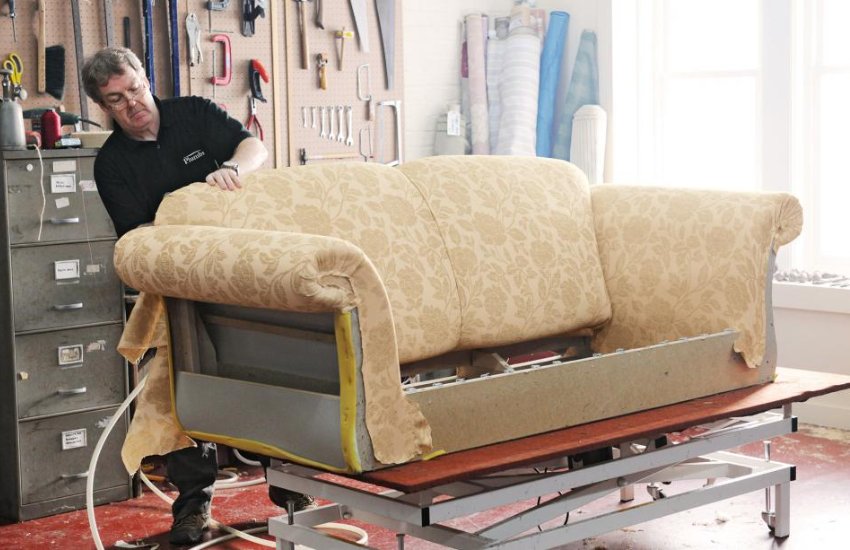
Ignoring minor furniture problems often leads to larger structural issues that become harder to repair later. Understanding how sofas deteriorate and how restoration works allows homeowners to maintain comfortable and functional interiors for many years.
Common causes of sofa frame damage and structural weakening over time
Sofa frames provide the foundation that supports the entire structure. Continuous pressure, poor maintenance, and environmental conditions gradually weaken the frame.
Common causes of damage include:
- Excessive weight concentration
- Weak joint connections
- Moisture exposure
- Poor-quality wood materials
- Repeated movement or dragging
Wooden frames may crack or loosen over time, especially when furniture experiences frequent stress. Loose joints often create squeaking noises and unstable seating.
Many homeowners researching sofa repair abu dhabi solutions notice frame issues only after cushions begin sagging or seating becomes uneven.
Regular inspections help identify structural problems early before major restoration becomes necessary.
How leather sofas require specialized repair and maintenance techniques
Leather furniture requires different care methods compared to fabric upholstery. While leather is durable, it is sensitive to heat, dryness, and moisture imbalance.
Proper leather maintenance includes:
- Regular dust removal
- Gentle surface cleaning
- Conditioning treatments
- Avoiding direct sunlight
- Preventing moisture buildup
Without conditioning, leather can crack and lose flexibility. Scratches and discoloration may also appear with prolonged neglect.
Different leather types require specific care routines. Genuine leather, bonded leather, and synthetic alternatives all react differently to cleaning products and humidity.
Specialists working with leather dubai materials often recommend preventive care instead of waiting for visible deterioration.
Signs that indicate your sofa needs immediate professional restoration
Many furniture issues begin gradually and worsen over time if ignored. Recognizing warning signs early helps prevent further structural damage.
Common signs include:
- Sagging cushions
- Loose armrests
- Squeaking noises
- Torn upholstery
- Uneven seating surfaces
- Visible frame instability
Some issues may appear cosmetic initially but indicate deeper structural weaknesses underneath the upholstery.
Professional assessment becomes especially important when support systems inside the sofa begin deteriorating.
The importance of cushion support and foam quality in sofa durability
Cushions directly affect seating comfort and furniture performance. Low-quality foam compresses quickly and loses shape after repeated use.
High-quality cushions offer:
- Better posture support
- Improved seating comfort
- Longer lifespan
- Reduced sagging
- Enhanced appearance retention
Foam density significantly influences durability. Sofas used daily require stronger support materials than decorative or occasional-use furniture.
Replacing worn cushions can dramatically improve comfort without replacing the entire sofa structure.
How climate conditions can affect sofa fabric and leather performance
Environmental conditions play a major role in furniture deterioration. Heat, humidity, and dust gradually weaken upholstery materials.
Climate-related furniture issues include:
- Fabric fading
- Leather drying
- Mold growth
- Cushion moisture retention
- Wood expansion and contraction
Humid environments may weaken adhesives and create unpleasant odors if ventilation is insufficient.
Proper room airflow and regular maintenance help reduce environmental stress on furniture materials.
Differences between minor sofa repairs and complete sofa restoration work
Not all furniture damage requires full restoration. Some issues can be corrected through targeted repairs.
Minor repairs usually involve:
- Cushion replacement
- Stitching repairs
- Surface cleaning
- Small upholstery fixes
- Tightening loose joints
Full restoration may include:
- Complete reupholstery
- Frame reconstruction
- Spring replacement
- Foam rebuilding
- Structural reinforcement
The level of restoration depends on furniture condition, frame quality, and long-term usability goals.
Practical cleaning habits that help extend the lifespan of household sofas
Consistent maintenance significantly increases furniture lifespan. Simple cleaning habits reduce wear and preserve upholstery appearance.
Useful cleaning practices include:
- Vacuuming weekly
- Rotating cushions regularly
- Cleaning spills immediately
- Avoiding harsh chemicals
- Using fabric-safe cleaning products
Preventive care reduces dirt buildup and protects upholstery fibers from premature deterioration.
Families with children or pets may require more frequent cleaning to maintain hygiene and appearance.
What homeowners should inspect before choosing sofa repair solutions
Before starting restoration work, homeowners should evaluate the overall condition of the sofa.
Important inspection points include:
- Frame stability
- Cushion support
- Upholstery damage
- Spring performance
- Joint integrity
Understanding the extent of damage helps determine whether repair or restoration is the better option.
Professionals involved in carpenter near me searches often assist with structural assessments because wooden support systems are central to sofa durability.
Conclusion
Sofa repair and maintenance are essential for preserving comfort, appearance, and structural stability. Addressing small issues early prevents more serious damage and extends furniture usability significantly.
By understanding frame construction, upholstery care, cushion quality, and environmental impacts, homeowners can maintain comfortable and visually appealing sofas for many years.
FAQs
How can I identify sofa structural damage?
Common signs include wobbling, squeaking noises, uneven seating, and loose armrests or joints.
What is the best way to maintain leather sofas?
Regular cleaning, conditioning, and protection from direct sunlight help preserve leather quality.
Can sagging sofa cushions be repaired?
Yes, replacing or rebuilding foam inserts can restore cushion support and comfort.
How long does sofa repair usually last?
The lifespan depends on repair quality, material selection, and maintenance habits after restoration.
What materials are commonly used in sofa restoration?
Foam, webbing, springs, fabric, leather, and reinforced wooden components are commonly used.
Is repairing a sofa better than replacing it?
Repairing is often beneficial when the frame remains strong and the furniture has long-term usability potential.