
Modern interiors are no longer focused only on walls, lighting, and flooring. Furniture has become one of the most important design elements in homes, offices, and hospitality spaces. Upholstery plays a major role in shaping comfort, style, and durability while helping homeowners personalize their interiors according to their preferences.
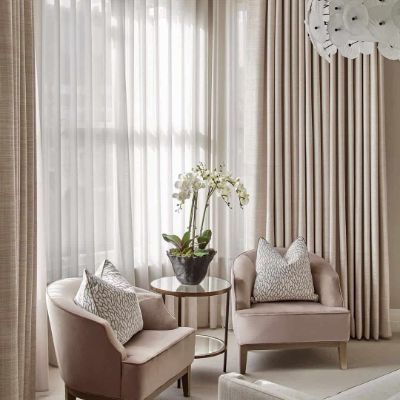
Well-designed upholstered furniture can transform an ordinary room into a warm and welcoming environment. Whether the furniture style is classic, contemporary, or minimalist, upholstery adds texture, softness, and visual appeal that improve the overall atmosphere of a space. Understanding fabrics, maintenance methods, and furniture restoration techniques helps people make smarter long-term interior decisions.
How professional upholstery techniques improve furniture longevity and comfort
Professional upholstery methods focus on both aesthetics and structural support. Skilled upholsterers understand how fabric tension, foam density, stitching quality, and frame integrity work together to create durable furniture.
Several upholstery techniques directly improve furniture lifespan:
- Reinforced seams reduce tearing and fabric stress
- High-density foam prevents cushion sagging
- Durable webbing systems improve seating support
- Proper padding creates balanced comfort
- Strong fabric alignment reduces wrinkles and wear
Professional upholstery also helps preserve the original furniture frame, which is especially important for heirloom or handcrafted pieces. Instead of replacing furniture entirely, restoration can significantly extend usability.
Many homeowners researching upholstery abu dhabi solutions often prioritize durability because climate conditions and daily use can affect fabric performance over time.
Important fabric materials commonly used in modern upholstery projects
Fabric selection influences comfort, maintenance requirements, and interior appearance. Each material has unique characteristics suited for different environments.
Cotton
Cotton is breathable, comfortable, and widely used in residential interiors. It works well in casual and family-oriented spaces but may require regular cleaning.
Linen
Linen offers a natural and elegant appearance. It suits luxury interiors and minimalist themes but wrinkles more easily than synthetic fabrics.
Velvet
Velvet creates a rich and luxurious atmosphere. It adds depth and texture to formal living rooms and statement furniture pieces.
Leather
Leather is durable, timeless, and easier to clean compared to some fabrics. It develops character over time and suits both traditional and modern interiors.
Synthetic Blends
Synthetic materials like polyester blends offer stain resistance and durability, making them practical for homes with children or pets.
The right fabric depends on:
- Lifestyle requirements
- Sunlight exposure
- Maintenance preferences
- Interior style goals
- Expected furniture usage
Key differences between classic and contemporary upholstery styles today
Classic upholstery often includes decorative stitching, rolled arms, tufted cushions, and ornate patterns. These styles create a traditional and elegant atmosphere that suits vintage-inspired interiors.
Contemporary upholstery focuses on:
- Clean lines
- Minimal detailing
- Neutral tones
- Functional layouts
- Streamlined silhouettes
Modern furniture designs also emphasize comfort alongside aesthetics. Many contemporary pieces prioritize ergonomic seating and flexible layouts suitable for urban living.
Furniture makers and specialists involved in carpenter dubai projects often combine woodworking craftsmanship with upholstery design to achieve balanced and durable furniture construction.
How to maintain upholstered furniture in hot and humid climates effectively
Climate conditions significantly impact upholstery lifespan. Heat, humidity, and dust can weaken fabrics, discolor surfaces, and reduce cushion performance.
Maintenance practices that improve durability
- Vacuum upholstered surfaces weekly
- Rotate cushions regularly
- Avoid direct sunlight exposure
- Use breathable fabric protectors
- Clean spills immediately
Humidity can also encourage mold growth inside cushions if moisture accumulates over time. Proper ventilation helps preserve upholstery quality and freshness.
Fabric-specific care matters
Different materials require different cleaning approaches:
- Leather requires conditioning
- Linen needs gentle cleaning
- Velvet should avoid excessive moisture
- Synthetic fabrics tolerate stronger cleaning methods
Regular maintenance prevents minor issues from becoming major restoration problems.
Common upholstery mistakes homeowners should avoid during renovations
Furniture renovation projects often fail because homeowners overlook practical factors while focusing only on appearance.
Common mistakes include:
- Choosing fabrics based only on color
- Ignoring durability ratings
- Using low-density foam
- Overlooking frame condition
- Selecting unsuitable textures for pets or children
Another frequent mistake is mismatching upholstery with overall interior design themes. Furniture should complement flooring, wall colors, and decorative elements for visual consistency.
In interiors featuring gypsum work, upholstered furniture often works best when colors and textures coordinate with ceiling details and wall finishes.
Why customized upholstery solutions are becoming popular in luxury homes
Customization allows homeowners to create furniture that fits their exact preferences and lifestyle needs. Instead of relying on standard designs, customized upholstery offers flexibility in dimensions, fabrics, textures, and comfort levels.
Benefits of customized upholstery
- Better space optimization
- Personalized comfort
- Unique interior appearance
- Improved furniture functionality
- Greater material control
Luxury interiors increasingly prioritize individuality. Customized upholstery allows homeowners to create distinctive spaces that reflect their personality while maximizing comfort.
Tailored furniture solutions are especially useful for unusual room layouts or specialized seating requirements.
How furniture restoration enhances interior aesthetics without replacement
Furniture restoration preserves valuable pieces while refreshing their appearance. Instead of discarding older furniture, restoration improves aesthetics and functionality simultaneously.
Restoration benefits include:
- Reduced waste
- Lower environmental impact
- Preservation of craftsmanship
- Enhanced interior character
- Cost-effective modernization
Older furniture often features stronger wooden frames than many modern mass-produced alternatives. Reupholstering these pieces combines traditional durability with updated design trends.
Restoration also supports sustainable interior design practices by reducing unnecessary furniture disposal.
Essential considerations before selecting upholstery colors and textures
Color and texture influence mood, lighting perception, and room balance. Selecting upholstery materials requires careful consideration of the surrounding environment.
Important factors include:
- Room size
- Natural lighting
- Existing decor
- Lifestyle needs
- Cleaning requirements
Neutral colors create flexibility and timelessness, while bold colors make furniture a visual focal point. Texture also affects comfort and visual depth.
Smooth fabrics create sleek appearances, while textured fabrics add warmth and character.
Balancing practicality with aesthetics ensures long-term satisfaction with upholstery choices.
Conclusion
Upholstery plays a central role in modern interior design by combining comfort, durability, and visual appeal. From fabric selection to furniture restoration, every upholstery decision influences how a space looks and functions over time.
Understanding materials, maintenance methods, and design compatibility helps homeowners create interiors that remain stylish and practical for years. Well-maintained upholstered furniture not only enhances comfort but also supports sustainable and personalized living environments.
FAQs
What is the purpose of upholstery in interior design?
Upholstery improves comfort, aesthetics, and furniture durability while contributing to the overall style of an interior space.
Which upholstery fabrics last the longest?
Leather, synthetic blends, and tightly woven fabrics are generally among the most durable upholstery materials.
How often should upholstered furniture be cleaned?
Light vacuuming should be done weekly, while deep cleaning is usually recommended every 12 to 18 months.
Can old furniture be restored with upholstery?
Yes, many older furniture pieces can be restored through reupholstering, cushion replacement, and frame repairs.
What factors affect upholstery durability?
Fabric quality, daily usage, sunlight exposure, humidity, and maintenance habits all influence upholstery lifespan.
Is custom upholstery suitable for modern homes?
Yes, customized upholstery allows homeowners to create furniture that fits their design preferences and space requirements.