
Introduction
Understanding how a furniture vendor operates helps homeowners, renters, and interior planners make informed decisions when furnishing a space. A furniture vendor is not just a seller; they often act as a bridge between manufacturers, designers, and end users. Their role may include sourcing materials, managing production, customizing designs, coordinating logistics, and ensuring quality control.
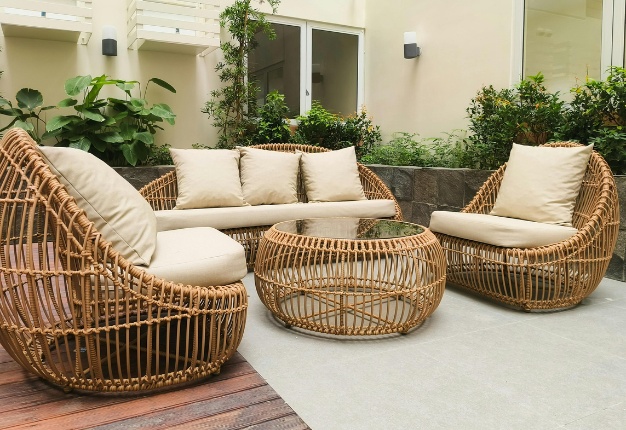
In today’s market, furniture solutions range from fully custom-built pieces to flexible rental options. Whether someone is designing a new home, renovating a room, or exploring temporary furnishing solutions, knowing how vendors operate can simplify the entire process. This guide explains the structure, materials, design considerations, and practical uses associated with furniture vendors and related services.
What a furniture vendor does and how the supply process works
A furniture vendor typically manages the flow of products from production to final installation. This includes sourcing raw materials, overseeing manufacturing, handling quality checks, and delivering finished pieces to customers. Some vendors specialize in custom design, while others focus on ready-made collections or modular systems.
The supply process generally follows these stages:
- Material selection and procurement
- Design development and specifications
- Manufacturing or assembly
- Quality inspection
- Packaging and logistics
- Delivery and installation
Many vendors operate both physical showrooms and online platforms. For example, companies that provide comprehensive furniture services may showcase collections under categories such as furniture vendor, where customers can explore general furniture solutions and understand available styles. Such platforms help users learn about product categories and design possibilities before making decisions.
Understanding this process allows buyers to evaluate transparency, reliability, and production standards. It also helps identify whether a vendor provides full-service solutions or works as a distributor only.
How to evaluate quality standards when choosing furniture providers
Quality evaluation is one of the most important aspects of working with a furniture vendor. High-quality furniture should demonstrate durability, structural strength, and attention to detail. When assessing providers, consider the following factors:
- Material consistency and sourcing transparency
- Joinery techniques and construction methods
- Finish quality and surface treatment
- Warranty or service policies
- Customer feedback and portfolio examples
In addition, evaluating sample products or visiting showrooms can provide insight into craftsmanship standards. Vendors often collaborate with specialized design teams or carpentry experts to produce custom installations such as decorative panels or partitions. For example, interior-focused suppliers may offer solutions similar to wooden partition wall, which demonstrate structural precision and aesthetic versatility.
Quality assessment should also include checking stability, weight distribution, and finishing durability. Well-constructed furniture maintains its integrity over time and adapts to daily use without structural issues.
Understanding materials used in modern home furniture production
Furniture materials directly influence durability, comfort, and design flexibility. Common materials include solid wood, engineered wood, metal frames, leather, and various fabrics. Each material serves different functional and aesthetic purposes.
Solid wood is often used for structural frames due to its strength and longevity. Engineered wood provides cost-effective alternatives for cabinets and panels. Upholstery materials such as leather and fabric contribute to comfort and visual appeal.
For example, premium seating solutions like a leather sofa demonstrate how material selection affects both appearance and durability. Leather offers easy maintenance and long-term resilience when properly treated. It also provides a refined aesthetic suitable for living rooms and professional spaces.
When selecting furniture, it is important to consider environmental factors such as humidity, temperature changes, and daily usage patterns. The right material ensures long-term stability and reduces maintenance requirements.
When and why homeowners choose flexible rental furniture options
Furniture rental has become increasingly popular in urban environments where mobility and flexibility are important. Rental solutions are often used by students, expatriates, temporary residents, and businesses setting up short-term offices.
The benefits of rental furniture include:
- Reduced initial investment
- Flexibility to upgrade or change styles
- Short-term commitment options
- Maintenance support from providers
- Convenience during relocation
For individuals who prefer temporary furnishing solutions, services such as furniture on rent in dubai illustrate how rental systems can support apartments, corporate housing, or transitional living spaces.
Rental furniture allows users to furnish an entire space without purchasing each item individually. It is especially useful for temporary housing arrangements or project-based stays. This approach also helps reduce storage concerns and long-term maintenance responsibilities.
Key differences between custom-built and ready-made furniture
Furniture vendors often provide both custom-built and ready-made options. Understanding the difference helps customers choose based on budget, timeline, and design preferences.
Custom-built furniture:
- Designed according to exact measurements
- Tailored to specific aesthetic requirements
- Ideal for unique layouts
- Requires longer production time
Ready-made furniture:
- Pre-designed standard models
- Faster availability
- Suitable for common room sizes
- Often more affordable in structure
Custom designs are especially beneficial for bedrooms requiring specialized fittings. For instance, selecting a single bed mattress as part of a coordinated furniture plan ensures compatibility with bed frames and room dimensions. Proper sizing improves comfort and supports healthy sleep posture.
The choice between custom and ready-made furniture depends on available space, interior theme, and functional requirements. Vendors usually guide clients through measurements and design consultations before final production.
How interior layout influences partition wall selection
Interior layouts often require structural divisions to enhance privacy or organize open spaces. Partition walls can be used in homes, offices, and commercial environments to define functional areas without permanent construction.
Factors influencing partition selection include:
- Room size and ceiling height
- Desired level of privacy
- Sound insulation requirements
- Material preferences
- Design compatibility
Wooden partitions are commonly used for their versatility and aesthetic warmth. Interior planning projects may reference solutions similar to wooden partition wall to demonstrate how these systems can transform large spaces into organized sections while maintaining openness.
Proper layout planning ensures that partitions improve functionality without overcrowding the environment. They can also enhance lighting distribution and visual balance.
Factors to consider when selecting mattresses for single beds
Choosing the right mattress is essential for comfort and long-term health. For single beds, mattress dimensions must align precisely with the bed frame. Incorrect sizing may lead to discomfort or structural instability.
When selecting a mattress, consider:
- Firmness level (soft, medium, firm)
- Material type (foam, spring, hybrid)
- Ventilation and breathability
- Support for spinal alignment
- Durability and warranty
A well-matched mattress supports proper posture and enhances sleep quality. In coordinated furniture setups, vendors often recommend mattress options that complement the overall bedroom structure.
Understanding mattress construction also helps users compare density levels, layering systems, and support zones. These elements influence long-term comfort and durability.
Conclusion
A furniture vendor plays a vital role in transforming interior spaces through structured processes, material selection, and design coordination. From understanding supply chains to evaluating quality standards, homeowners benefit from knowing how vendors operate.
Whether choosing custom-built designs, exploring flexible furnishing solutions, or planning interior partitions, informed decisions improve functionality and aesthetics. By understanding materials, layout considerations, and practical applications, users can create organized, durable, and comfortable environments tailored to their needs.
FAQs
What is a furniture vendor and what services do they provide?
A furniture vendor supplies, designs, or distributes furniture products. Services may include customization, material sourcing, delivery, installation, and after-sales support.
How does the furniture supply chain typically work?
It usually involves material sourcing, design planning, manufacturing, quality inspection, packaging, and delivery to the end user.
What should I check before choosing furniture materials?
Consider durability, maintenance requirements, environmental conditions, structural strength, and compatibility with your interior design.
When is furniture rental a better option than buying?
Rental is suitable for temporary housing, short-term projects, relocation situations, or when flexibility and reduced upfront costs are priorities.
How do wooden partitions improve interior space design?
They help divide spaces, improve privacy, enhance organization, and maintain aesthetic appeal without permanent structural changes.