
Selecting the right upholstery shop is a critical step in ensuring that your furniture remains comfortable, functional, and visually appealing. Upholstery is not only about changing the fabric; it involves structural repairs, cushioning updates, and precise finishing that can dramatically transform your home environment. This article provides a comprehensive guide on how to choose the ideal upholstery shop for your home projects, including practical tips, professional insights, and step-by-step advice to help you make informed decisions.
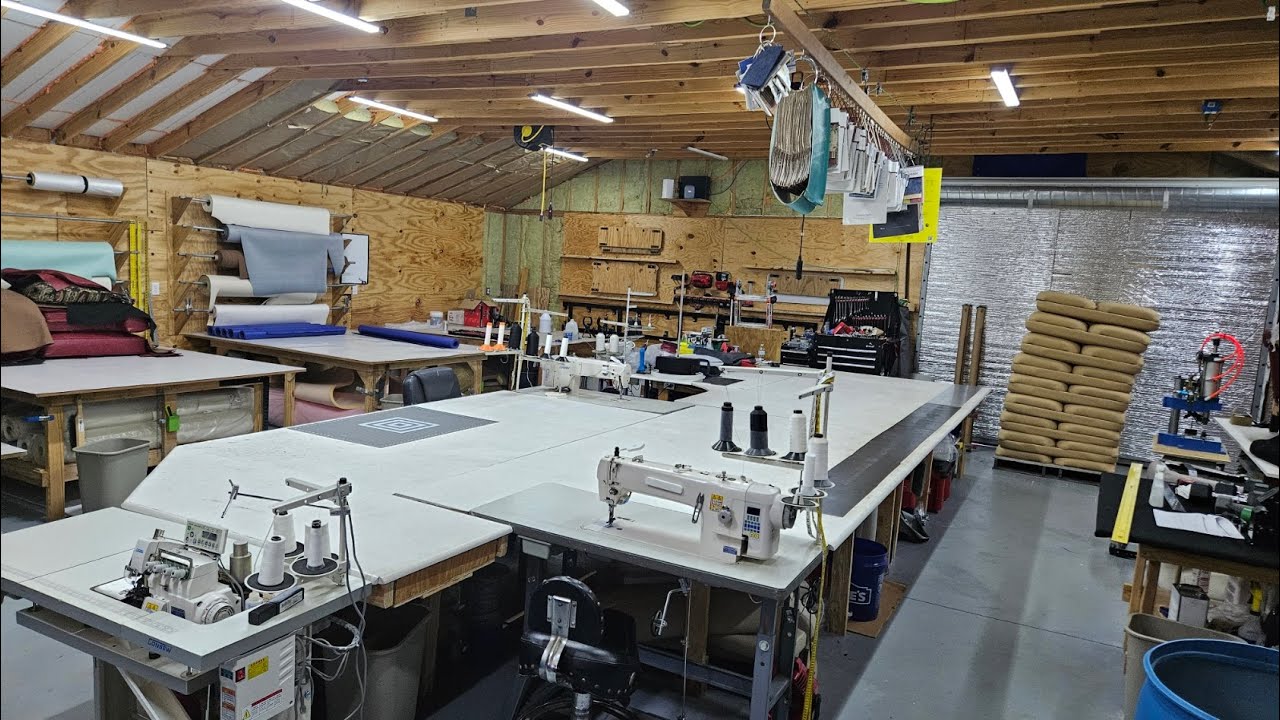
Upholstery work is often part of broader home improvement initiatives, and aligning it with interior renovation efforts can maximize aesthetic coherence and functionality. Whether you are refreshing your sofa, repairing a bed frame, or seeking long-lasting furniture solutions, understanding the process and knowing what to look for in a professional provider is essential. Integrating furniture upgrades with other interior updates ensures both efficiency and harmony in your home’s design.
With the growing demand for high-quality furniture restoration and repair in cities, homeowners are increasingly prioritizing professional guidance. From selecting durable fabrics to coordinating with renovation experts, every decision influences the final outcome. This article will cover all aspects, from evaluating shops to maintaining your furniture after professional work, ensuring a well-rounded approach to upholstery projects.
Understanding Different Types of Upholstery Shops and Their Specialties
Upholstery shops vary significantly in the services they offer and the types of furniture they specialize in. Some focus exclusively on sofas, chairs, or beds, while others handle a broader range of furniture including antique pieces and custom-made designs. Knowing the specialty of a shop can help you match your project with the most capable professionals.
Specialized shops bring deep expertise in specific areas, such as delicate antique restoration or modern fabric applications. They understand structural nuances and material characteristics, which ensures that the furniture maintains both durability and aesthetics. For homeowners aiming to restore or enhance a particular furniture piece, selecting a shop with relevant specialization improves the likelihood of high-quality outcomes.
Additionally, understanding the shop’s specialties allows you to anticipate timelines, material options, and potential limitations. It also helps ensure that your sofa upholstery sharjah or any other furniture project receives attention from skilled technicians who are well-versed in the particular requirements of your piece.
How sofa upholstery sharjah Can Enhance Furniture Longevity
Sofas are central to home living areas, making their maintenance and design a priority. Professional sofa upholstery sharjah services can extend the life of your furniture by addressing structural and aesthetic concerns. High-quality fabric, reinforced padding, and frame repairs not only improve comfort but also enhance durability.
Upgrading a sofa through professional upholstery allows for a personalized touch that aligns with your interior design. Selecting stain-resistant fabrics, luxurious textures, or patterns that complement your décor ensures both practical functionality and visual appeal. Additionally, repairing sagging cushions, broken springs, or torn fabric prevents further deterioration and maintains the sofa’s integrity over time.
By investing in proper upholstery techniques, homeowners can protect their furniture from frequent wear and tear while achieving a refreshed, stylish appearance that suits modern interiors.
Tips for Collaborating With an interior renovation in dubai Professional
Furniture updates are most effective when coordinated with broader interior renovations. Engaging with an interior renovation in dubai professional helps ensure that your upholstery work aligns seamlessly with other design elements, such as flooring, wall finishes, lighting, and cabinetry.
- Early Planning: Involve renovation professionals from the beginning to incorporate furniture choices into the overall design vision.
- Material Harmony: Ensure that fabrics and textures complement existing materials in your home.
- Scheduling Coordination: Align upholstery work with other renovation tasks to prevent delays or interference.
- Functional Integration: Confirm that furniture placement, sizing, and accessibility match the newly renovated space.
Proper collaboration results in cohesive aesthetics, improved functionality, and a more efficient project timeline.
When and How to fix bed frame Before Upholstery Work
Before applying new upholstery or replacing cushions, it is essential to assess the structural integrity of your furniture. In the case of beds, addressing any damage or instability is critical. Learning when and how to fix bed frame ensures that your bed is safe, supportive, and ready for any additional improvements.
- Inspect the Frame: Check for cracks, loose joints, or weakened supports.
- Disassemble if Necessary: Remove mattresses or slats to access damaged areas.
- Repair Joints and Supports: Use appropriate tools or consult a professional carpenter for accurate reinforcement.
- Reinforce Weak Points: Add extra support to areas prone to stress or frequent use.
- Reassemble and Test: Ensure the bed is stable before proceeding with upholstery or mattress placement.
Addressing these structural issues beforehand prevents damage to newly applied fabrics and cushions, extending the life of both the bed and the upholstery.
Key Considerations for Choosing the Right upholstery shop
Selecting an upholstery shop involves more than just locating a nearby provider. Critical factors to consider include:
- Experience and Expertise: Shops with a proven track record in handling various furniture types often deliver superior results.
- Material Options: Availability of high-quality fabrics, threads, and padding is crucial for durability.
- Customer Feedback: Reading reviews helps gauge reliability, craftsmanship, and professionalism.
- Portfolio Evaluation: Examining previous work reveals style versatility and attention to detail.
- Warranty or Support: Shops offering guarantees reflect confidence in their workmanship and ensure peace of mind.
Considering these elements increases the likelihood of a successful upholstery project that meets your functional and aesthetic expectations.
Benefits of Consulting risala carpentry for Customized Repairs
Collaborating with a trusted carpentry service, such as risala carpentry, can enhance furniture repair and customization outcomes. Their expertise complements upholstery work, particularly for pieces requiring structural adjustments, frame strengthening, or bespoke enhancements.
- Expert Craftsmanship: Skilled carpenters ensure precise repairs and structural integrity.
- Material Compatibility: Carpentry specialists help match wood types, finishes, and textures with existing furniture.
- Custom Solutions: They can create tailored modifications for unique furniture designs or functionality improvements.
- Coordination With Upholstery: Working together ensures seamless integration of fabric, padding, and structural adjustments.
Engaging a professional carpentry service provides a holistic approach, ensuring that furniture is not only visually appealing but also durable and fully functional.
How to Maintain Your Furniture After Upholstery Updates
Proper maintenance is key to preserving the beauty and comfort of newly upholstered furniture. Some essential maintenance strategies include:
- Regular Cleaning: Vacuum surfaces to remove dust and debris, and promptly address spills or stains.
- Sunlight Protection: Avoid placing furniture in direct sunlight to prevent fading and fabric degradation.
- Cushion Rotation: Rotate cushions and padding regularly to distribute wear evenly.
- Pet Considerations: Use covers or keep pets away from delicate fabrics to avoid scratches or stains.
- Periodic Professional Checkups: Schedule inspections to address any early signs of wear, ensuring longevity.
Adhering to these guidelines helps maintain a fresh appearance and extends the functional life of your furniture.
Conclusion
Choosing the right upholstery shop is essential for maintaining and enhancing your home’s furniture. From evaluating providers and understanding structural repair requirements to coordinating with interior renovation professionals, every step contributes to a high-quality, long-lasting result. Properly executed upholstery work not only restores comfort and aesthetics but also allows for personalization that complements your home design.
By considering factors such as expertise, materials, reviews, and integration with other home improvement projects, homeowners can ensure that their furniture investment delivers enduring benefits. Professional guidance, combined with careful planning and maintenance, makes finding the right upholstery shop a simple and rewarding process.
FAQs
What are the signs of a reliable upholstery shop?
Reliable shops typically have experienced staff, a detailed portfolio of past work, positive customer reviews, and transparent communication about materials, timelines, and processes.
How can sofa upholstery improve comfort and style?
Professional sofa upholstery provides new padding, reinforced frames, and fresh fabric, enhancing both comfort and aesthetic appeal. It allows homeowners to match the sofa with their room’s design.
What should I check before fixing a bed frame?
Inspect joints, supports, and overall stability. Ensure that any cracks or weaknesses are properly reinforced before proceeding with upholstery or mattress placement.
How do interior renovation experts integrate with upholstery projects?
They align furniture choices with broader design elements, coordinate timelines, and ensure that textures, colors, and materials harmonize across the renovated space.
When should I consult a carpentry specialist for furniture repairs?
Consult a professional when structural issues, unique designs, or complex repairs are involved. A specialist ensures durability and seamless integration with upholstery updates.
What materials are best for long-lasting upholstery?
Durable fabrics such as microfiber, leather, and high-quality woven textiles, combined with resilient padding and strong frames, provide longevity and comfort.
How often should furniture be refurbished?
Regular maintenance is essential, but a comprehensive refurbishment may be needed every 7–10 years, depending on usage, material quality, and environmental factors.
Can professional upholstery extend the lifespan of furniture?
Yes, professional work addresses both structural and cosmetic issues, preventing further deterioration and ensuring that the furniture remains functional and attractive for years.