
Furniture upholstery is one of the most important aspects of interior design because it directly influences comfort, appearance, and functionality. Upholstered furniture adds softness, texture, and personality to living spaces while improving usability in homes, offices, and hospitality environments.
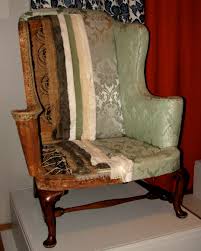
Modern interiors increasingly prioritize customized furniture solutions that align with architectural styles and lifestyle preferences. Understanding upholstery materials, construction methods, and design coordination helps homeowners create interiors that remain stylish and practical for many years.
Well-designed upholstery not only improves aesthetics but also enhances furniture durability. Whether restoring older furniture or updating existing interiors, upholstery decisions significantly impact how a room feels and functions over time.
How upholstered furniture contributes to comfort and visual harmony indoors
Upholstered furniture creates balance within interior spaces by combining softness with structure. Sofas, chairs, headboards, and benches all influence the comfort level and visual rhythm of a room.
Key comfort benefits of upholstery include:
- Better seating support
- Improved posture comfort
- Softer furniture surfaces
- Reduced pressure on joints
- Enhanced relaxation
Visual harmony is also strongly connected to upholstery design. Fabric textures, stitching patterns, and furniture proportions contribute to a cohesive interior appearance.
Many homeowners exploring furniture upholstery abu dhabi ideas focus on achieving a balance between elegance and practicality for everyday living.
Neutral upholstery tones often create timeless interiors, while bold fabrics can become decorative focal points that define the room’s character.
Key differences between residential and commercial upholstery applications
Residential upholstery focuses mainly on comfort, warmth, and personal style preferences. Commercial upholstery, however, prioritizes durability, maintenance efficiency, and heavy usage resistance.
Residential upholstery characteristics
- Softer fabrics
- Decorative textures
- Personalized colors
- Greater design flexibility
- Comfort-centered construction
Commercial upholstery characteristics
- Stain-resistant materials
- Reinforced stitching
- Fire-retardant fabrics
- Durable seating structures
- Easier maintenance
Commercial spaces such as offices, hotels, and lounges require materials that withstand continuous use while maintaining appearance quality.
Choosing upholstery materials based on the intended environment helps improve long-term performance and functionality.
Why wood craftsmanship matters in durable upholstered furniture structures
Furniture durability depends heavily on frame construction. Upholstery materials may appear visually attractive, but the underlying structure determines long-term stability.
Strong furniture frames typically include:
- Reinforced corner joints
- Hardwood construction
- Stable support systems
- Balanced weight distribution
- Durable fasteners
Professionals involved in carpenter in dubai projects often emphasize frame quality before upholstery work begins because weak frames eventually affect seating comfort and structural safety.
Poor craftsmanship can lead to:
- Squeaking sounds
- Cushion misalignment
- Structural instability
- Premature sagging
- Uneven seating
Well-constructed wooden frames provide the support necessary for upholstery to remain functional over many years.
Modern office interior trends that include custom upholstered furnishings
Workplace interiors have evolved significantly in recent years. Offices now focus more on employee comfort, productivity, and collaborative environments.
Popular upholstered office furniture trends include:
- Ergonomic seating
- Acoustic upholstered panels
- Modular lounge seating
- Minimalist conference furniture
- Soft-textured collaborative areas
Custom upholstery allows businesses to create visually cohesive interiors that align with brand identity and workspace functionality.
Specialists researching office fit out companies in dubai often integrate upholstered furniture to create more comfortable and visually welcoming office environments.
Modern office interiors also prioritize flexible layouts that adapt to changing work styles and team collaboration needs.
Important upholstery fabric characteristics for long-lasting daily use
Selecting suitable upholstery fabric requires understanding how different materials perform under regular use.
Important fabric qualities include:
- Abrasion resistance
- Breathability
- Color retention
- Ease of cleaning
- Texture durability
Popular upholstery materials
Leather
Leather offers durability and timeless appeal while being relatively easy to clean.
Microfiber
Microfiber resists stains and works well in high-traffic environments.
Linen
Linen provides elegance and breathability but may wrinkle more easily.
Synthetic blends
Synthetic fabrics often combine durability with affordability and low maintenance.
Choosing the correct fabric depends on lifestyle, room usage, and environmental conditions.
How furniture restoration supports eco-friendly renovation decisions today
Sustainable interior design has become increasingly important as homeowners seek environmentally responsible renovation practices.
Furniture restoration contributes to sustainability by:
- Reducing waste
- Preserving usable materials
- Extending furniture lifespan
- Minimizing landfill disposal
- Supporting resource conservation
Older furniture often contains high-quality wooden frames that remain structurally sound even when upholstery becomes outdated.
Instead of replacing furniture completely, restoration modernizes appearance while maintaining original craftsmanship.
Reupholstering furniture also allows customization without contributing to unnecessary manufacturing waste.
Choosing textures and colors that complement modern interior layouts
Texture and color selection strongly influence room atmosphere and visual perception.
Neutral upholstery tones create:
- Spacious visual effects
- Greater design flexibility
- Timeless aesthetics
- Softer visual balance
Bold colors provide:
- Artistic focal points
- Strong personality
- Modern contrast
- Decorative energy
Texture adds another layer of design depth. Smooth fabrics create sleek appearances, while woven or textured materials introduce warmth and dimension.
Important factors to consider
- Natural lighting
- Room size
- Existing decor
- Maintenance preferences
- Furniture placement
Coordinating upholstery with flooring, walls, and decorative accessories creates cohesive interior environments.
Common upholstery challenges faced in office and residential environments
Different environments create different upholstery challenges. Daily use, environmental exposure, and maintenance habits all affect furniture lifespan.
Common residential upholstery issues
- Pet damage
- Food stains
- Cushion compression
- Fabric fading
- Dust accumulation
Common commercial upholstery issues
- Heavy traffic wear
- Frequent cleaning stress
- Surface discoloration
- Structural fatigue
- Material stretching
Preventive maintenance significantly reduces long-term deterioration. Regular inspections and cleaning routines help preserve both appearance and comfort.
Understanding how furniture is used allows homeowners and businesses to choose better materials and maintenance strategies.
Conclusion
Furniture upholstery combines functionality, comfort, and aesthetics to create balanced and inviting interiors. From fabric selection to frame craftsmanship, every upholstery decision affects furniture durability and visual appeal.
Understanding materials, maintenance methods, and design coordination helps homeowners create stylish interiors that remain practical for years. Upholstery restoration and customization also support sustainable living while preserving valuable furniture pieces.
FAQs
What makes furniture upholstery important for interiors?
Upholstery improves comfort, enhances visual appeal, and contributes to the overall atmosphere of interior spaces.
How do upholstered office spaces improve comfort?
They provide ergonomic seating, softer environments, and more welcoming collaborative spaces.
Which fabrics work best for furniture upholstery?
Leather, microfiber, linen blends, and performance fabrics are commonly chosen for durability and comfort.
Can upholstery modernize old furniture?
Yes, reupholstery can completely refresh furniture appearance while preserving the original structure.
What are the benefits of custom upholstery?
Custom upholstery allows greater personalization, material selection, and space optimization.
How should upholstered furniture be maintained regularly?
Regular vacuuming, stain removal, cushion rotation, and professional cleaning help preserve upholstery quality.