
Furniture comfort plays an important role in creating relaxing and functional living spaces. Sofas are often the centerpiece of living rooms, family areas, and shared environments, which means they experience constant daily use. Over time, even high-quality sofas may develop structural issues, upholstery wear, or cushion deterioration.
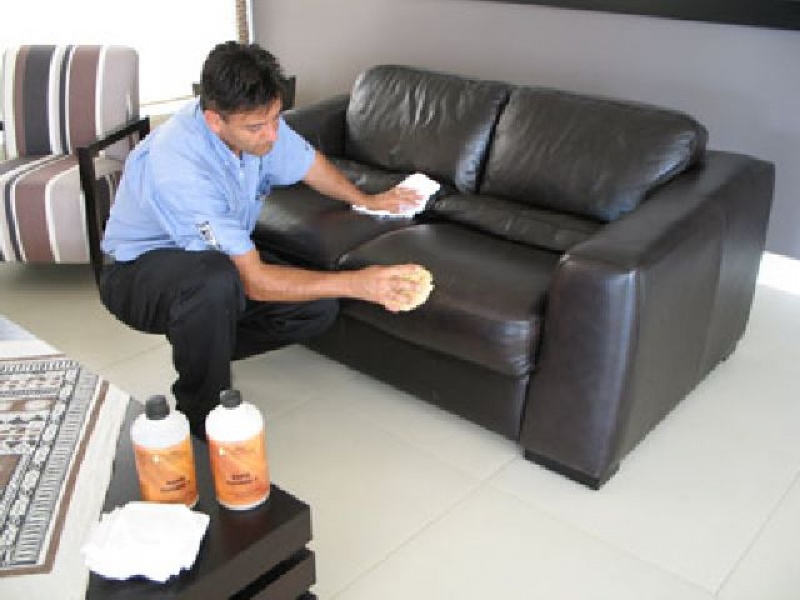
Proper repair and maintenance help extend furniture lifespan while preserving appearance and seating comfort. Understanding common sofa problems and restoration methods allows homeowners to make informed decisions about furniture care and long-term usability.
Ignoring small furniture issues can eventually lead to larger structural problems. Addressing repairs early improves comfort, maintains visual appeal, and prevents further deterioration.
How sofa repair improves comfort and extends furniture usability at home
Sofa repair restores functionality by correcting structural weaknesses, damaged upholstery, and worn-out support systems.
Common improvements after repair include:
- Better seating support
- Enhanced posture comfort
- Improved cushion shape
- Reduced noise and instability
- Refreshed visual appearance
Many homeowners researching sofa repair near me solutions aim to preserve furniture that still has strong foundational structure.
Repairing sofas often provides long-term usability benefits without replacing the entire furniture piece. Well-maintained sofas can remain functional and visually attractive for many years.
Restoration also improves room comfort because damaged seating can negatively affect relaxation and posture.
Common signs that indicate furniture requires immediate structural repairs
Furniture usually shows warning signs before major structural failure occurs. Recognizing these signs early helps prevent more expensive restoration work later.
Common structural warning signs include:
- Squeaking sounds
- Loose armrests
- Uneven seating
- Visible frame movement
- Cushion sagging
Ignoring these issues may place additional stress on the remaining support systems inside the furniture.
Additional signs of deterioration
- Torn upholstery
- Broken springs
- Wobbling frames
- Compressed foam
- Weak joints
Regular inspections help identify minor problems before they affect overall furniture stability and comfort.
Why carpentry quality directly affects long-term furniture durability indoors
Furniture strength depends heavily on carpentry craftsmanship. Upholstery may provide softness and appearance, but the wooden frame determines stability and durability.
Important frame characteristics include:
- Reinforced joints
- Hardwood construction
- Balanced structural support
- Durable connectors
- Proper weight distribution
Professionals working in carpentry dubai projects often prioritize frame reinforcement because weak structures eventually compromise seating quality.
Poor carpentry can lead to:
- Premature sagging
- Structural instability
- Uneven cushions
- Joint separation
- Reduced furniture lifespan
High-quality wooden frames help sofas withstand years of daily use more effectively.
Understanding how gypsum board installations influence modern interiors
Interior design elements surrounding furniture also affect room comfort and visual balance. Ceiling and wall finishes contribute significantly to atmosphere and functionality.
Modern interiors frequently incorporate gypsum board work because it enhances architectural design flexibility.
Benefits of gypsum board applications include:
- Improved ceiling aesthetics
- Better lighting integration
- Enhanced acoustic performance
- Smooth wall finishes
- Modern decorative detailing
When combined with well-maintained upholstered furniture, gypsum design features help create balanced and visually cohesive living environments.
Furniture style and room architecture should complement each other to achieve harmony within interior spaces.
Preventive maintenance methods for avoiding costly sofa restoration issues
Preventive care significantly extends furniture lifespan and reduces repair frequency.
Effective maintenance practices include:
- Vacuuming upholstery weekly
- Rotating cushions regularly
- Cleaning spills immediately
- Avoiding excessive sunlight exposure
- Using fabric-safe cleaning products
These habits reduce dust accumulation, fabric deterioration, and moisture-related damage.
Additional preventive strategies
- Keep pets away from delicate upholstery
- Avoid jumping on furniture
- Maintain indoor humidity balance
- Inspect furniture joints periodically
Small maintenance routines often prevent larger structural problems from developing over time.
How damaged sofa frames impact seating support and household safety
A damaged frame affects much more than appearance. Structural weakness reduces comfort and may eventually create safety risks.
Common frame-related problems include:
- Uneven seating pressure
- Instability while sitting
- Increased strain on upholstery
- Spring misalignment
- Joint failure
Weak frames may also accelerate wear on cushions and upholstery fabrics because pressure distribution becomes uneven.
Why early repair matters
Repairing frames early prevents additional internal damage and maintains furniture usability longer.
Stable furniture structures contribute to:
- Better posture support
- Improved comfort
- Safer seating conditions
- Longer furniture lifespan
Structural stability remains one of the most important factors in furniture quality.
Practical upholstery care tips for busy family living room environments
Family living rooms experience heavy furniture usage daily. Upholstery care becomes especially important in households with children or pets.
Useful upholstery care tips include:
- Choose durable fabrics
- Clean stains quickly
- Rotate seating positions
- Use washable cushion covers
- Vacuum frequently
Performance fabrics and synthetic blends often work well in busy households because they resist stains and wear more effectively.
Maintaining visual freshness
Regular care helps furniture retain:
- Color consistency
- Cushion shape
- Fabric texture
- Surface cleanliness
- Overall appearance
Consistent maintenance also improves indoor hygiene by reducing dust and allergen buildup.
The importance of professional furniture assessment before major repairs
Before beginning major restoration work, furniture should be evaluated carefully.
Professionals typically inspect:
- Frame condition
- Cushion support
- Spring systems
- Upholstery damage
- Joint stability
Assessment helps determine whether furniture requires simple repairs or full restoration.
Repair professionals may recommend replacing certain internal components while preserving structurally sound areas.
Comprehensive evaluation prevents unnecessary work and ensures restoration efforts focus on the areas needing the most attention.
Conclusion
Sofa repair and maintenance play a major role in preserving furniture comfort, appearance, and structural integrity. Proper care routines and timely repairs help homeowners avoid extensive deterioration while extending furniture usability.
Understanding upholstery care, carpentry quality, and structural warning signs allows people to maintain comfortable and visually balanced living spaces for many years.
FAQs
What are the most common sofa repair problems?
Sagging cushions, broken frames, torn upholstery, and loose joints are among the most common issues.
How can I prevent sofa frame damage?
Avoid excessive weight stress, inspect joints regularly, and maintain proper furniture usage habits.
Why does sofa cushioning lose support over time?
Foam compression, daily use, and poor-quality materials gradually reduce cushion support.
Can upholstery repairs improve furniture comfort?
Yes, repairing upholstery and cushions often restores seating comfort and improves appearance.
What role does carpentry play in furniture strength?
Strong carpentry provides structural stability, durability, and balanced support for upholstered furniture.
How often should sofas be professionally inspected?
Furniture inspections every one to two years help identify early structural or upholstery problems.